Welcome to shopicat Mall!
Welcome to shopicat Mall!
Cart
CloseYour shopping cart doesn't have any products yet!!
A no-fluff buying guide for anyone standing in front of a product page wondering "wait, do I really need 10 speeds?"
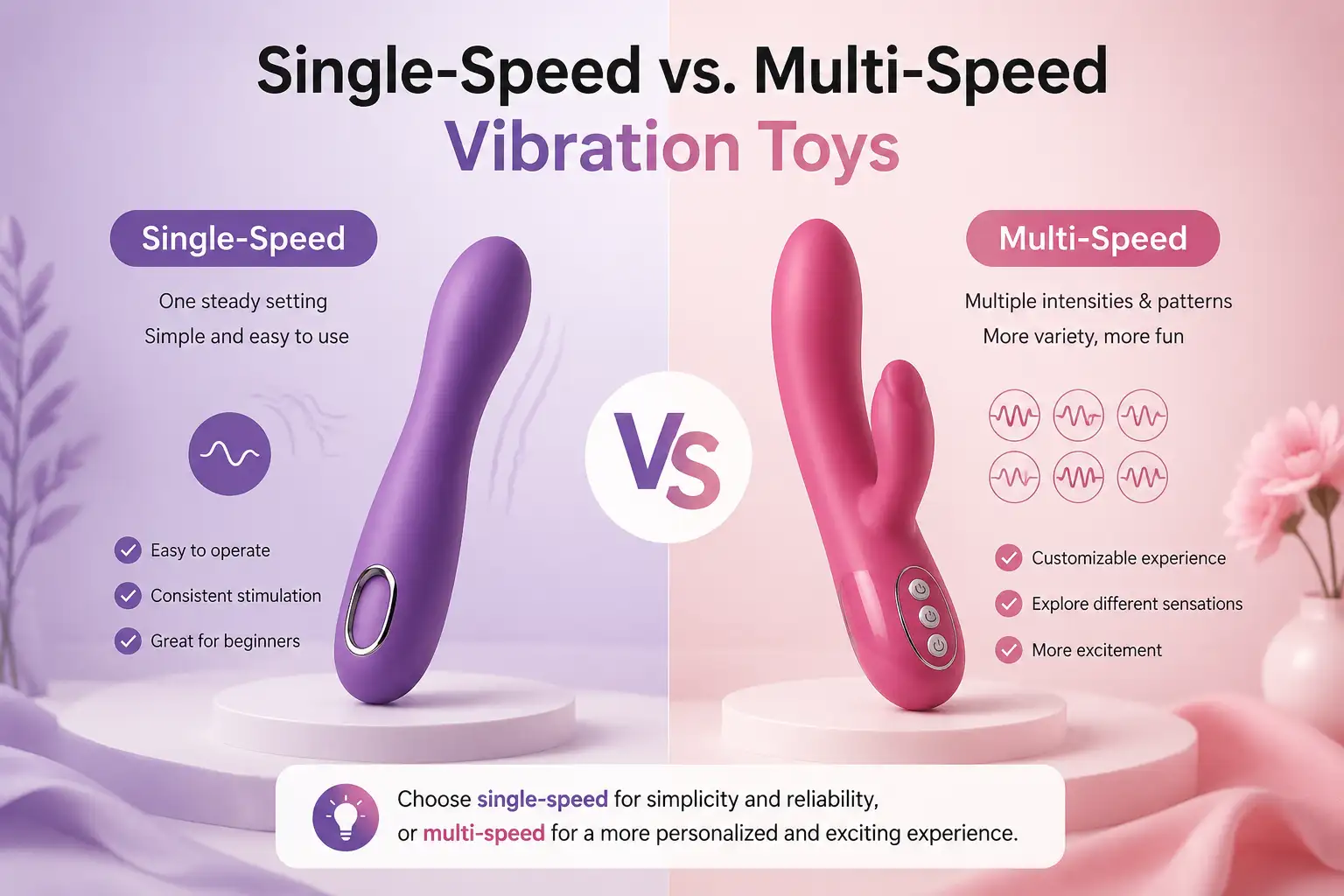
If you know exactly what intensity works for you and you want zero learning curve, single-speed is your friend. If you're still figuring out your preferences, want variety, or are shopping for a gift where "one size fits all" doesn't apply — multi-speed/adjustable wins almost every time.
But that's the surface-level answer. Here's the part most product listings skip.
Most shoppers assume "speed" just means "how fast it buzzes." In reality, a vibration motor's output is a combination of three things:
Intensity — how strong the vibration feels
Frequency — how fast the motor oscillates
Pattern — pulsing, escalating, wave-like rhythms, etc.
A "10-speed" toy usually isn't giving you 10 evenly-spaced intensity levels. It's often a mix of intensity steps and pattern modes bundled together. This is why two toys with the same "number of speeds" can feel completely different — one brand's Level 3 might feel like another brand's Level 7.
Takeaway: don't shop by the number on the box. Shop by what that number actually controls.
One button, one output. Examples: classic bullet vibrators, compact clitoral stimulators like the We-Vibe Tango, or entry-level travel vibes designed for straightforward, no-fuss use.
Zero learning curve — turn on, done. Great for beginners who don't want to think about settings mid-use.
Fewer mechanical parts = generally more reliable long-term and easier to clean.
Often smaller, quieter, and more discreet — single-motor designs tend to be more compact.
Lower price point, ideal for first-time buyers testing whether vibration toys are even for them.
No flexibility. If the one setting isn't right for you, there's no adjusting — you either love it or you don't.
Can feel monotonous over repeated use; nothing to "build" toward.
Not ideal for couples or shared use, since preferences rarely match perfectly.
First-time buyers, people who already know their preferred intensity, minimalists, and anyone prioritizing quiet + compact over features.
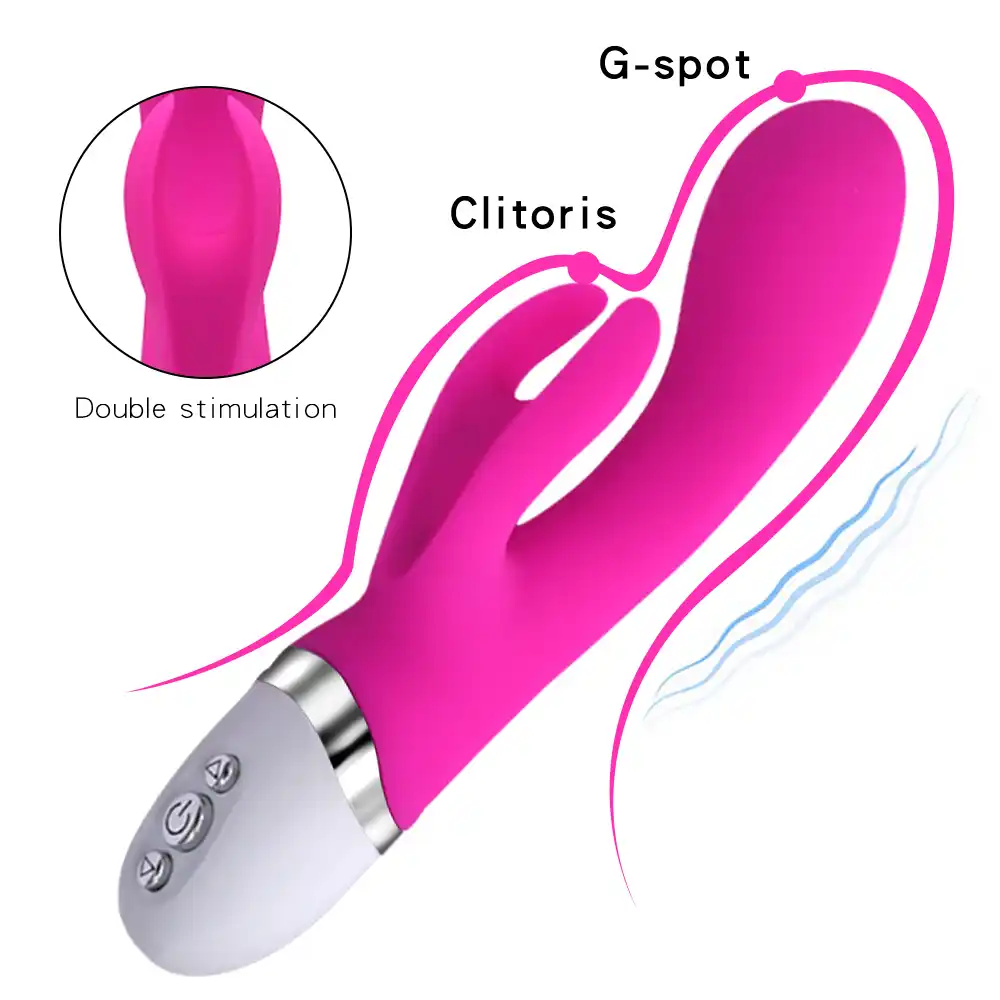
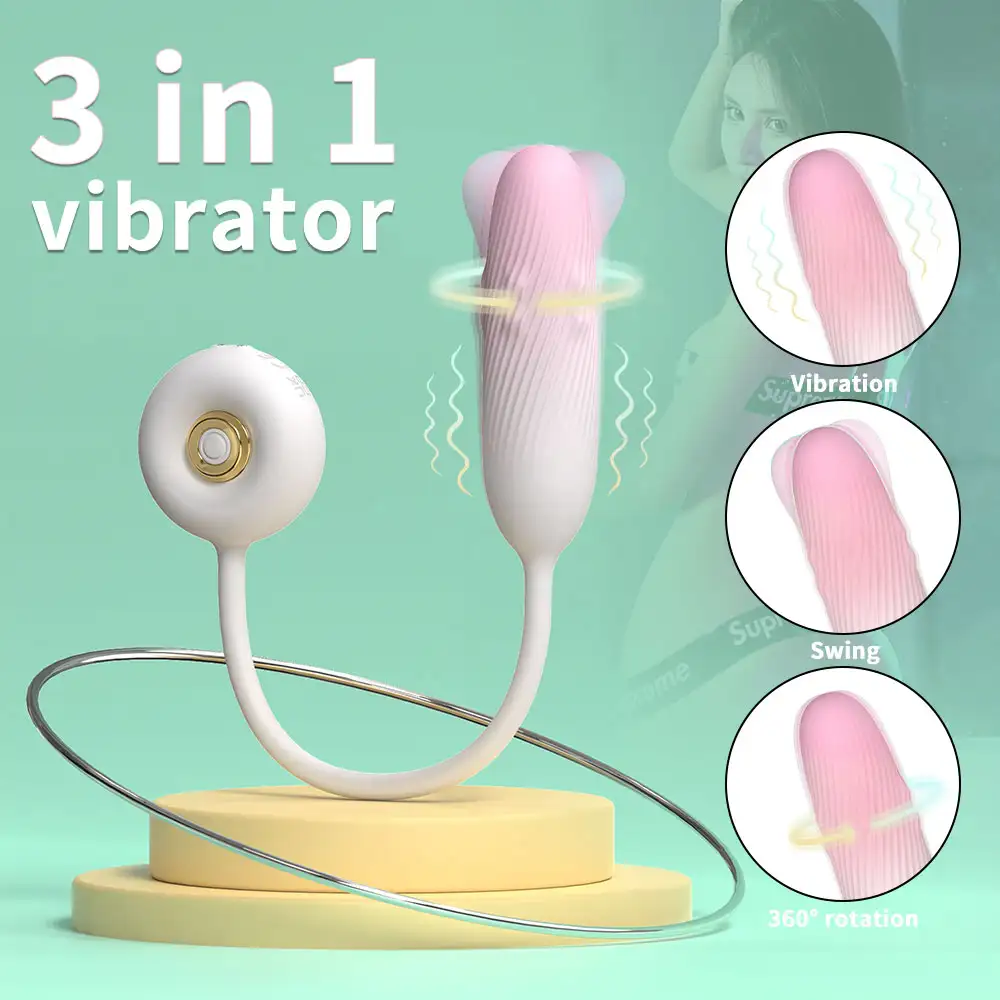
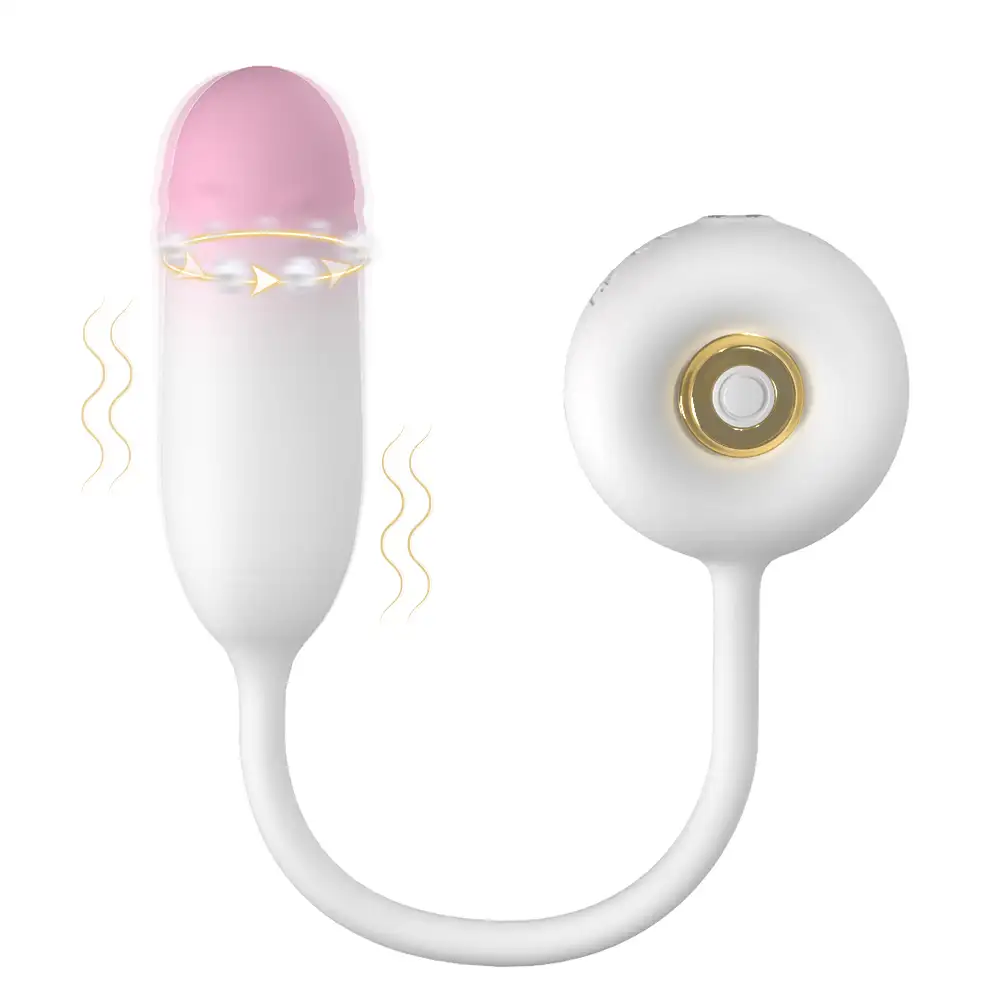
Toys with multiple intensity levels and/or vibration patterns, ranging from simple 3-speed dials to advanced 20+ mode toys with app control, like the Lelo Sona 2 or We-Vibe Rave.
Adaptability — start low, build up, or switch patterns depending on mood or time of day.
Longer product lifespan of interest — more modes means less chance of the toy feeling "used up" after a few months.
Better for shared use — couples can find a shared sweet spot instead of compromising on a fixed setting.
Great gifting option — you don't need to know the recipient's exact preference; multi-speed covers more ground.
Learning curve. Cycling through 10+ modes to find "the one" can be genuinely annoying, especially with button-only (no screen) controls.
More buttons/electronics = slightly higher chance of malfunction over time, and often a higher price tag.
App-connected toys add convenience but also add a dependency on Bluetooth/app reliability — a real downside for people who just want it to work.
People still exploring preferences, anyone using toys with a partner, and shoppers who value long-term versatility over simplicity.
Here's the insight most buying guides miss.
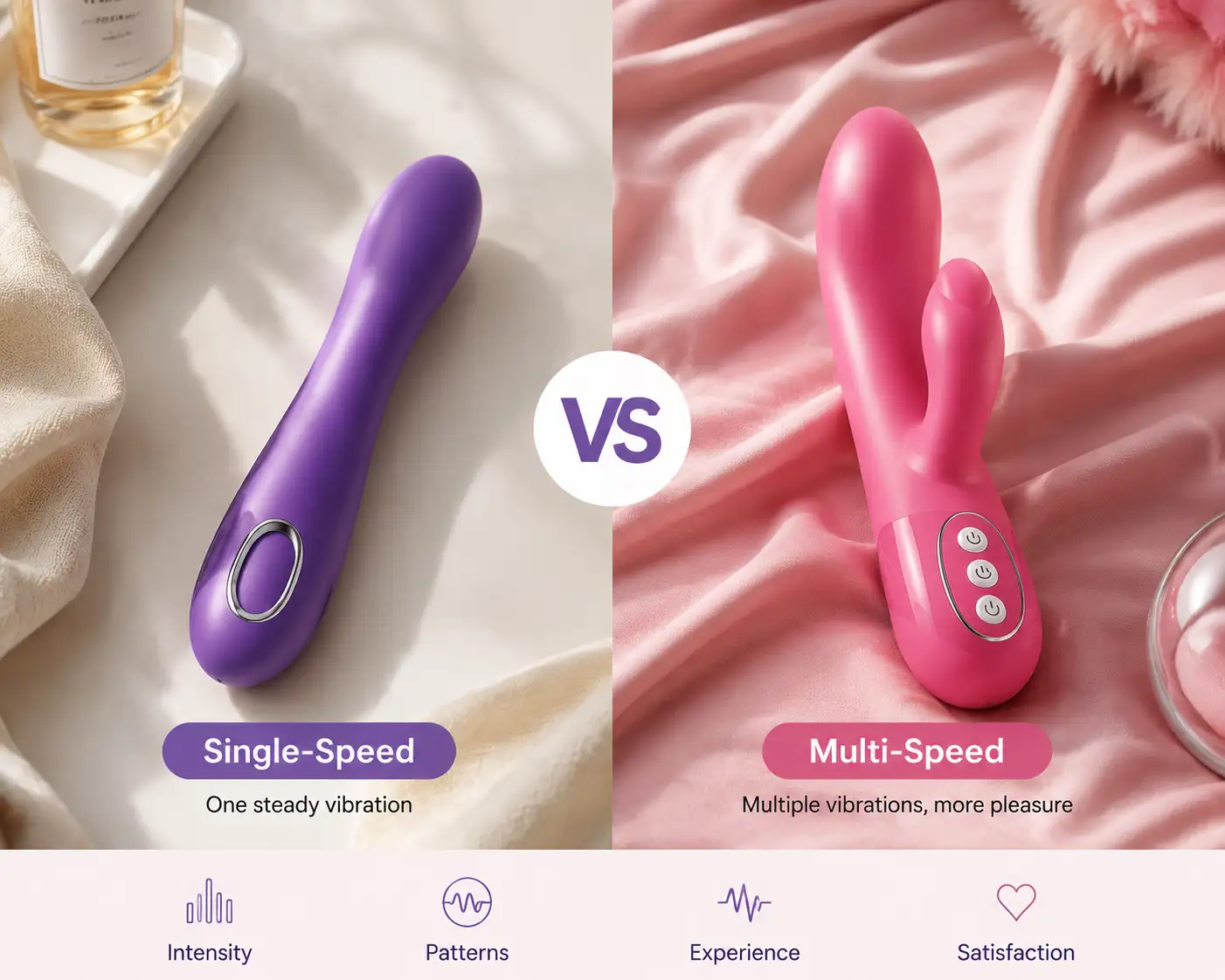
The real differentiator isn't single vs. multi. It's control resolution — how finely you can dial in exactly what you want, and how easy that dialing-in process is.
Think of it like a thermostat. A single-speed toy is like a light switch: on or off. A poorly-designed 10-speed toy is like a thermostat with 10 buttons you have to cycle through blind, no display — technically more options, but practically clunky. A well-designed toy — whether it's 1-speed or 12-speed — is one where the control matches how you actually use it.
This reframes the whole decision:
The question isn't "how many speeds do I want?" It's "how much do I want to think about the toy while I'm using it?"
If the answer is "not at all" → single-speed, or a multi-speed toy with a memory function that remembers your last setting.
If the answer is "I like some control, but nothing complicated" → look for stepped dial controls (twist-to-increase) over button-cycling — they're faster to adjust without looking.
If the answer is "I want full customization" → app-controlled or magnetic panel controls (like Lelo's or Womanizer's touch-sensor lines) give you the most granular control, at the cost of a steeper setup.
This is the detail brands rarely spell out on the product page, but it's the thing that actually determines whether you'll love or shelve the toy after week two.
Ask yourself these four questions:
Do I already know my preferred intensity?→ Yes: single-speed is efficient. No: go multi-speed to explore.
Am I buying this for solo use or with a partner?→ Partner use almost always benefits from adjustability.
Do I want to fiddle with settings, or just want it to work instantly?→ Want simplicity: single-speed or multi-speed with a "last setting" memory. → Enjoy customizing: multi-speed with dial or app control.
What's my budget?→ Tight budget or first purchase: single-speed offers great value. → Investing in something long-term: multi-speed offers more mileage.
| Factor | Single-Speed | Multi-Speed / Adjustable |
|---|---|---|
| Learning curve | None | Low to moderate |
| Price range | $30 | $60 |
| Best for | Beginners, solo use, known preferences | Explorers, couples, gifting |
| Longevity of interest | Can feel repetitive | More variety over time |
| Reliability | Fewer parts, very durable | Slightly more complex electronics |
| Discretion (size/noise) | Usually smaller & quieter | Varies, larger designs may hum more |
| Example product types | Bullet vibrators, mini travel vibes | Wands, rabbit vibrators, app-connected toys |
Is more speeds always better?No. A toy with 20 confusing modes you never use is worse than a toy with 3 modes you actually reach for. Usability beats spec-sheet numbers.
Will a single-speed toy feel "boring" over time?For some, yes — but many people prefer consistency because it removes guesswork. It depends on your personality, not a universal rule.
What's the best option for a first-time buyer who's nervous about overwhelm?Start with either a single-speed toy or a simple 3-speed dial (not a 10-button toy). This keeps things approachable without locking you into "one and done."
Do multi-speed toys need more maintenance?Not significantly, as long as they're body-safe silicone and properly waterproof (check IPX ratings). More buttons just means slightly more surface area to clean carefully.
Single-speed toys reward decisiveness. Multi-speed toys reward curiosity. Neither is objectively "better" — the smartest purchase is the one that matches how much control you actually want to exercise in the moment, not how impressive the spec list looks on the box.
The real pro tip: before buying based on speed count, check the control mechanism — dial, button-cycle, touch panel, or app — because that's what determines whether all those extra speeds are actually usable, or just marketing on a package.

 English
 简体中文
简体中文 繁体中文
繁体中文