Welcome to shopicat Mall!
Welcome to shopicat Mall!
Cart
CloseYour shopping cart doesn't have any products yet!!
BDSM is an umbrella term for intimate interactions that might be considered "kinky" or outside the mainstream. It's not about roughness or danger—at its core, BDSM is built on mutual consent, trust, and the shared pursuit of pleasure. The acronym breaks down into three dimensions. B&D stands for Bondage and Discipline, which involves using ropes or cuffs to restrict movement or setting rules with consequences. D&S stands for Domination and Submission, a power exchange where one partner takes control and the other gives it up. S&M stands for Sadism and Masochism, which involves giving or receiving pain or pressure for pleasure. That said, most people don't do all three at once. Some only enjoy being blindfolded, others prefer light spanking, and some simply get off on being guided or given commands. All of these fall under the BDSM umbrella.
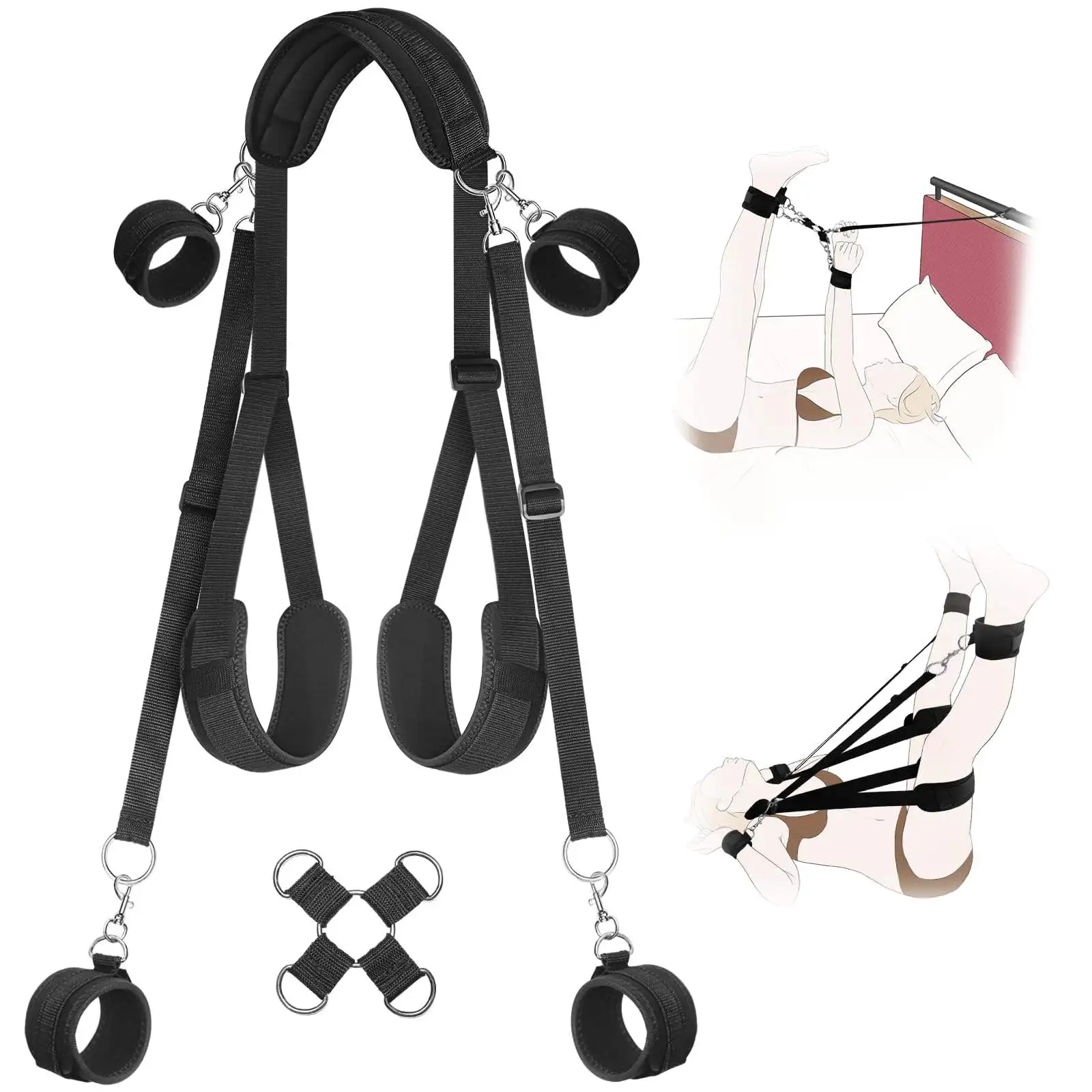
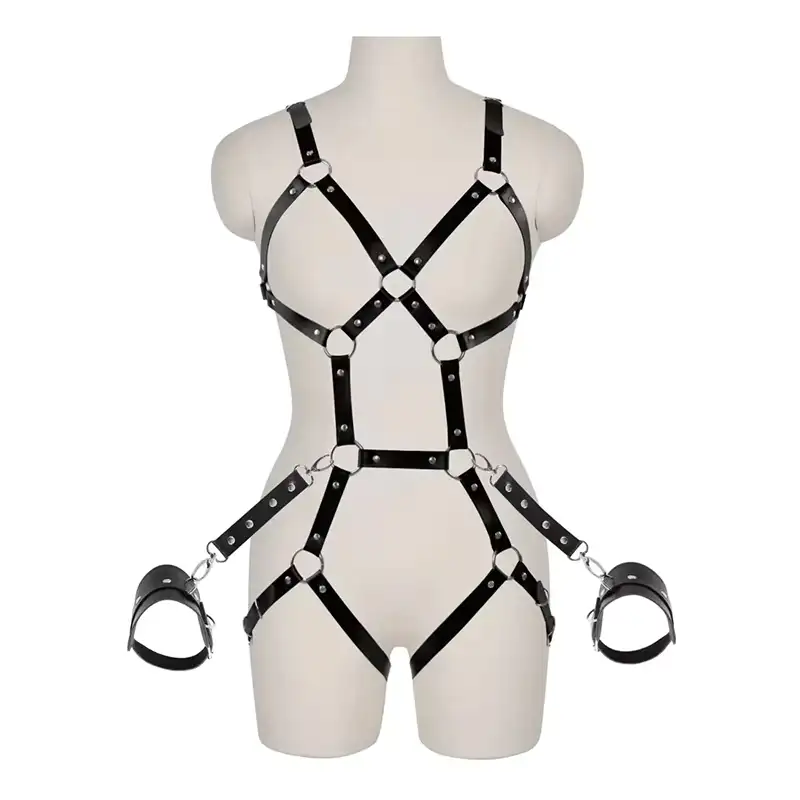
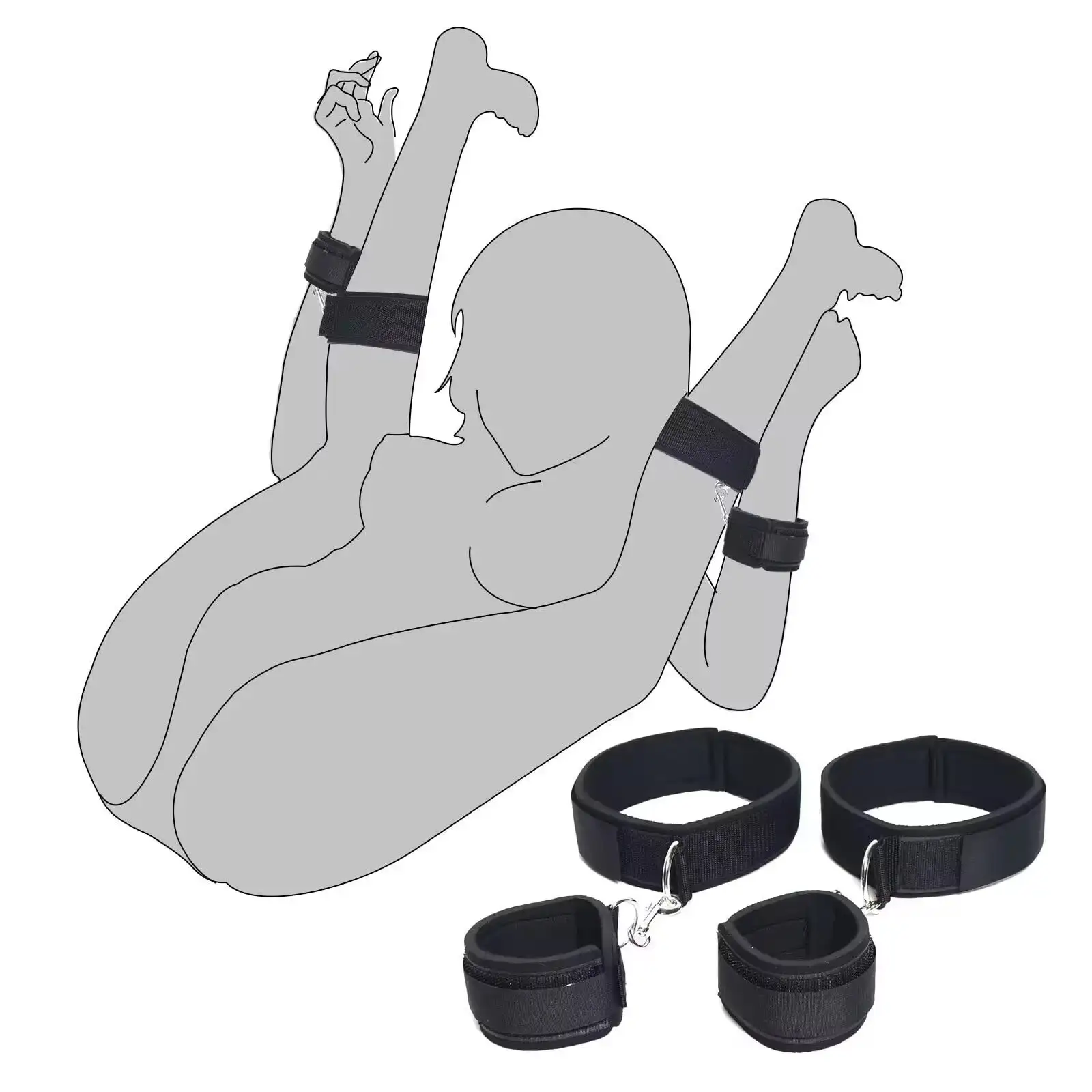
Bondage. This type focuses on restricting movement using ropes, handcuffs, restraints, and specialized furniture, with the goal of giving the restrained person a sense of being controlled.
Sensory Play. This type is designed to heighten or deprive the senses to increase physical sensitivity, with common tools including blindfolds, gags, feather ticklers, nipple clamps, and low-temperature candles.
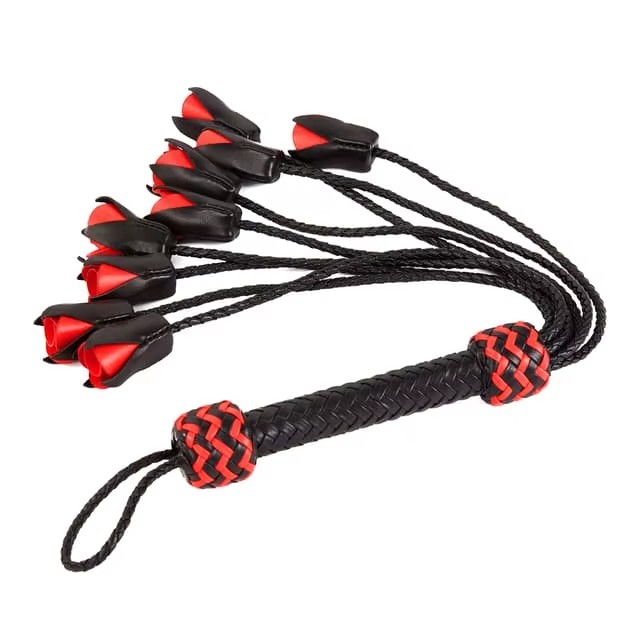
Impact Play. This involves striking the body to create stimulation, with common implements like paddles, floggers, whips, and crops—intensity can range from very light to much heavier.
Power Exchange. This type relies less on tools and more on commands and rules to establish a dominant/submissive dynamic, with collars and leashes often used as symbols.
Extreme Play. This includes high-risk activities like electrical play, needles, suspension bondage, and breath control—these require serious experience and safety measures and are not for beginners.
Intensity Levels. Beyond categorizing by type, another practical way to break things down is by intensity from light to extreme, helping newcomers find a comfortable starting point.
Light play is mostly about teasing, with little to no pain or pressure—think silk scarves on the wrists or a soft blindfold over the eyes. Medium play introduces clear restraint or mild sensation, like leather cuffs, a gag, or light spanking. Heavy play involves significant power dynamics or more intense pain, such as Japanese rope bondage, floggers, or sex swings. Extreme play includes electrical stimulation, needles, suspension, and breath control—these require deep experience and safety knowledge. Beginners should always start light and work their way up gradually, never rushing into high-intensity activities.
Several toys and activities are especially well-suited for newcomers. Soft blindfolds deprive vision and heighten touch with almost no risk, making them one of the safest entry points. Silk scarves or medical bandages can replace handcuffs—they're soft and easy to break free from, giving beginners psychological safety. Feather ticklers or light fingertip massages provide pure pleasure with zero pain, perfect for building trust as a warm-up. Light leather cuffs with quick-release buckles offer a real restrained feeling while coming off in seconds. Beginners should hold off on Japanese rope bondage, floggers, chastity cages, electrical toys, or anything involving choking or needles—these all require more experience to use safely.
A complete BDSM session can be broken down into five steps. The first step is pre-play communication—talk about what each person wants to try, what's off-limits, agree on a safe word, and plan for aftercare. The second step is the warm-up—start with touching and kissing to relax, then add a blindfold and use a feather tickler or fingers to trace lightly over the skin, helping the body adjust to receiving sensation passively. The third step is light restraint—use scarves or soft cuffs to secure the wrists in front of the body, making sure the restrained person can still sit up or stand easily. Never tie hands behind the back for a first-timer. The fourth step is a gentle power game—one partner gives soft commands like "Don't move," "Open your mouth," or "Wait for me." Keep it to the feeling of being guided, without introducing any pain.
The fifth and most important step is aftercare. After untying, gently massage the wrists and ankles, offer hugs and water, and have a relaxed conversation about what felt good and what didn't. This step is absolutely essential in BDSM—it builds deeper trust and gives first-timers a sense of safety and being valued. No matter how smoothly the session went, aftercare should never be skipped. It often decides whether the experience becomes "a great memory" or something someone never wants to repeat.
Q: What's the difference between BDSM and abuse?
A: The difference is fundamental. BDSM is based on mutual consent and shared pleasure, and consent can be withdrawn at any time—abuse is one-sided and goes against the other person's will. In healthy BDSM, both partners' boundaries and feelings are always respected.
Q: I don't like pain. Can I still enjoy BDSM?
A: Absolutely. Many people enjoy bondage and sensory deprivation—like being blindfolded or guided by commands—without any pain at all. BDSM doesn't have to include pain. You can choose only what feels comfortable for you.
Q: Do safe words actually work?
A: Yes, they're not just for show—they're an emergency brake. For beginners, the traffic light system is especially useful. "Red" means stop immediately. "Yellow" means slow down or ease up. "Green" means everything feels good, keep going. This is much clearer than using words like "stop" or "don't," which can get confusing in the moment.
Q: Is it normal to have red marks on my wrists afterward?
A: Mild red marks are normal and usually fade within a few hours. But if you feel numbness, tingling, discoloration, or marks that don't fade for a long time, the restraints were too tight or left on too long—adjust the tightness and duration next time.
Q: Does BDSM have to involve sex?
A: Not necessarily. For many people, the restraint itself, the power exchange, or even the sensation play is fulfilling all on its own, without needing sex or orgasm. BDSM can be a complete intimate experience in itself.
Q: What should I do after a session?
A: Always do aftercare—hugs, water, quiet conversation, and a real check-in about what you liked and what you didn't. This step builds deeper trust and is key to making the experience a positive memory.
When shopping for toys, choose materials safe for skin contact—medical-grade silicone, genuine leather, cotton, or silk. Avoid cheap plastics, PVC, and rough hemp rope if you're new. Also remember, BDSM doesn't have to lead to sex—for many, the restraint itself, the power dynamic, or the sensation is the whole point. And you don't need to label yourself as a Dom or a sub right away. All you need to know is what you want to try today, what you don't want to try, and that you have the right to say stop at any time.
Sale 20% off all store

 English
 简体中文
简体中文 繁体中文
繁体中文