Welcome to shopicat Mall!
Welcome to shopicat Mall!
Cart
CloseYour shopping cart doesn't have any products yet!!
When most people hear "male sex toys," the first thing that comes to mind is a pocket pussy or stroker. And sure, that's one type—but it's like saying "cars are just four wheels and a seat." Technically true, but it misses the bigger picture.
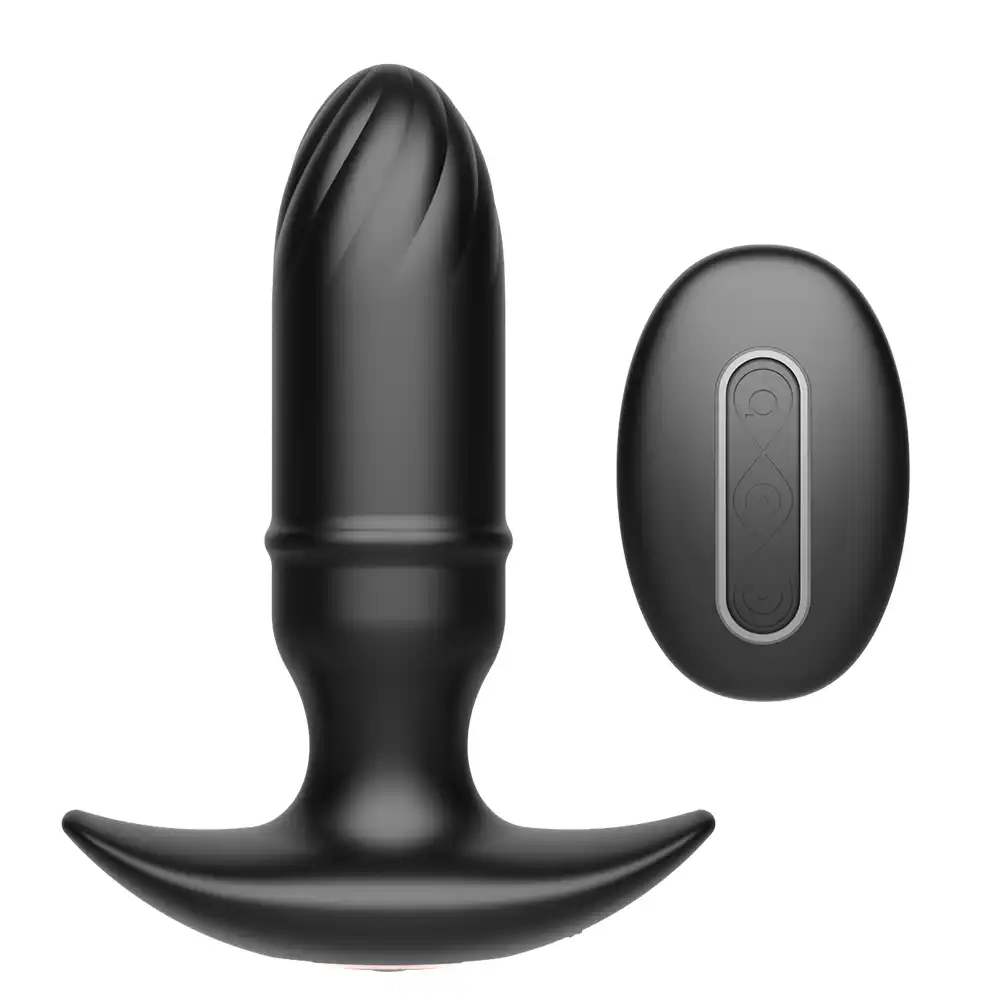
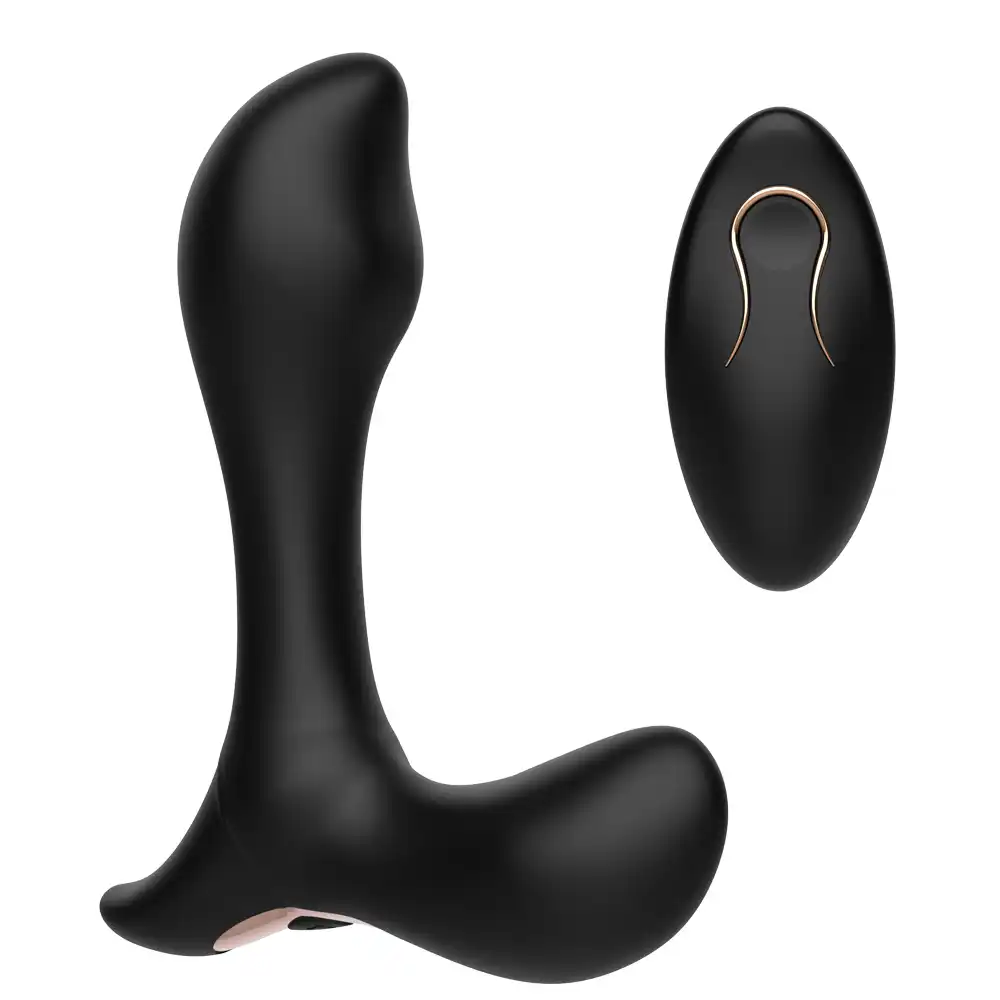
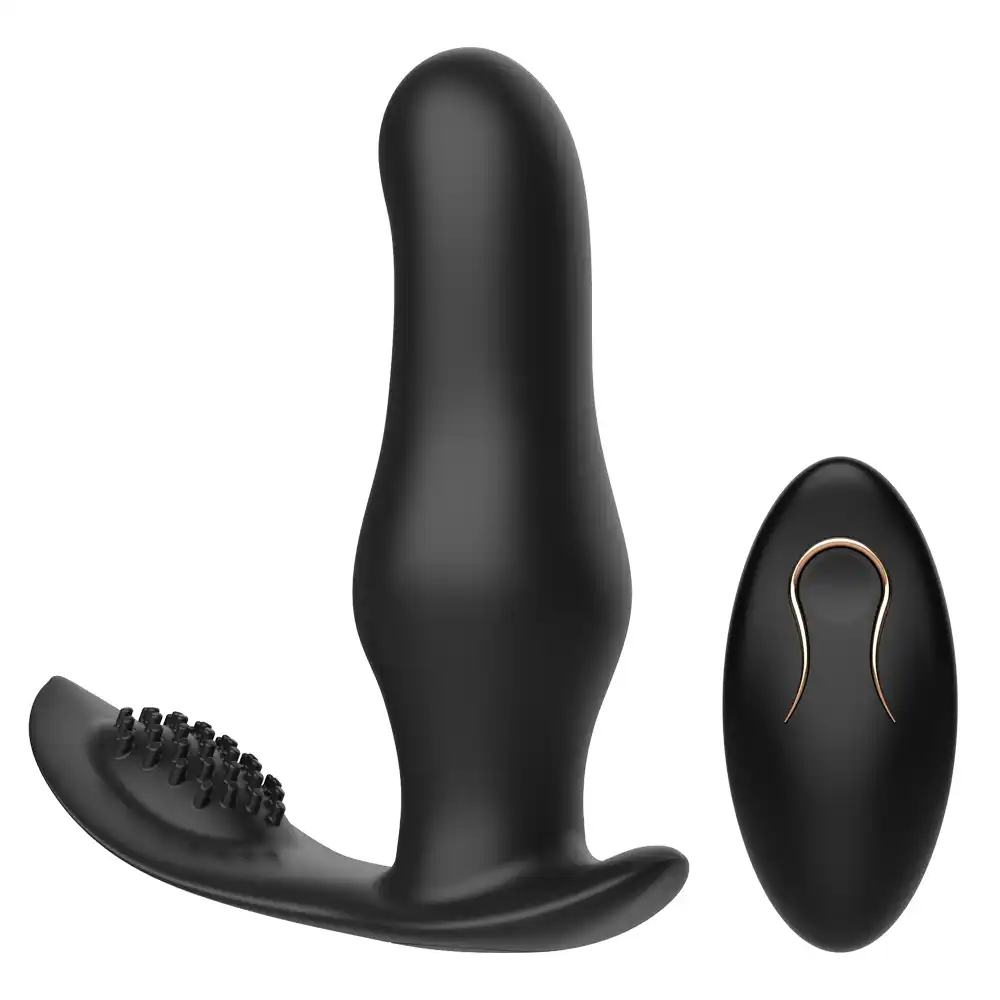
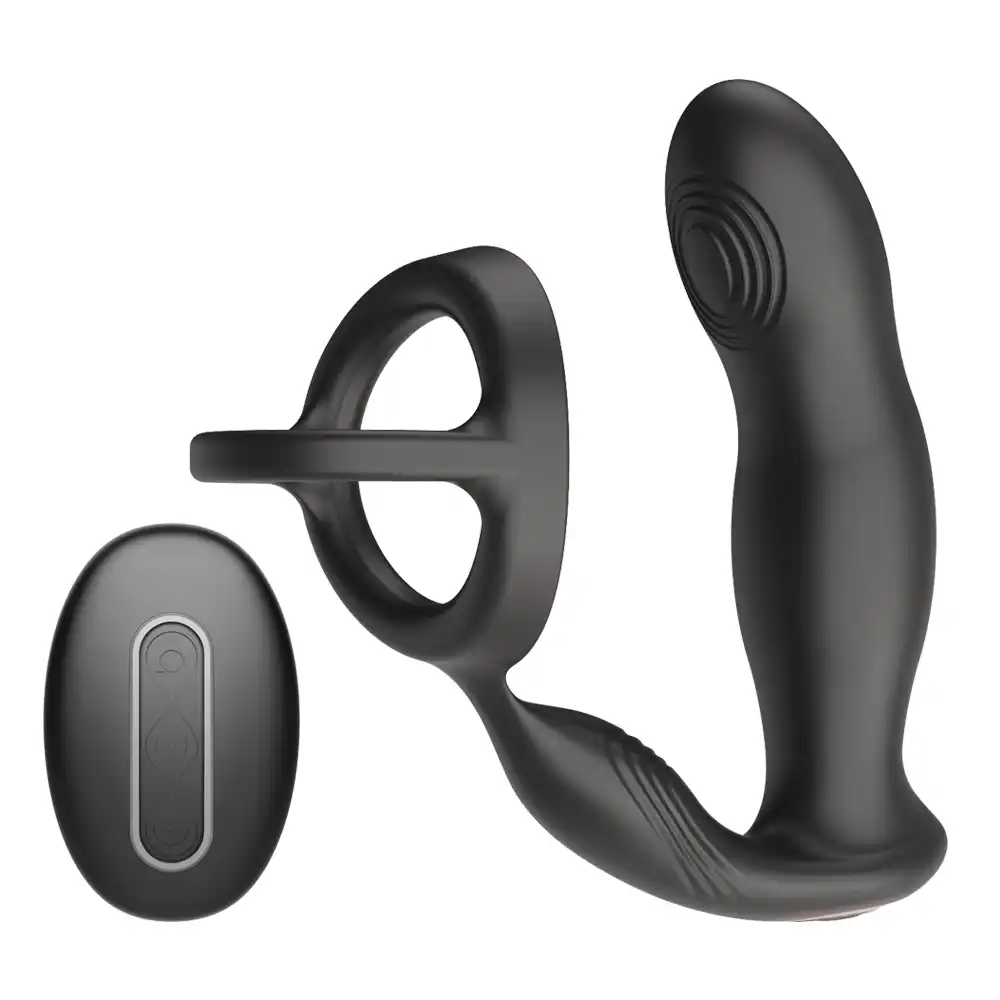
The world of male sex toys is far more diverse. From external strokers to internal prostate massagers to vibrating cock rings that pleasure both partners, each category unlocks a different kind of sensation. The real question is: what are you actually looking for?
A lot of guys assume these products are meant to substitute for real human contact. That's a misunderstanding.
Your body has way more pleasure zones than you might realize: the frenulum, the perineum, the prostate (often called the male G‑spot), even the inner thighs. A good toy isn't a substitute for a partner—it's a tool to help you discover sensations you didn't even know you had. It's an explorer, not a competitor.
Many first-timers go straight for the most expensive, hyper-realistic stroker—only to find it's a pain to clean, doesn't feel right, and ends up in a drawer after two uses.
A smarter approach: start with what you're comfortable with, not what someone else says is "the most intense."
A vibrating cock ring is the friendliest entry point—no foreign-body feeling, not intimidating, and it works for both solo and partner play. A basic non‑electric stroker is great if you want to test the waters with physical friction. If you're curious about internal stimulation, a small finger‑sized silicone probe is all you need—you don't have to go deep. Just a gentle touch on the prostate area can unlock a completely different kind of deep orgasm.
Too many people obsess over "how many textures" or "how powerful the motor" is, only to end up with something either too intense or just not their thing. Here's a simple way to narrow it down.
Before you browse any product, take two minutes to answer these:
Am I looking for something that mimics intercourse, or do I want a completely new type of sensation? (This splits strokers from vibrators/prostate massagers.)
Am I using this solo or with a partner? (For couples, a vibrating cock ring or remote‑controlled toy is the way to go.)
Am I curious about internal play, hesitant, or a hard no? (If it's a no, that's fine—there are plenty of external options.)
Your answers will eliminate at least half the options right away.
The material determines safety, comfort, and how long the toy lasts.
Top choice: Medical‑grade silicone. Non‑porous, non‑toxic, hypoallergenic, and a breeze to clean. It's the industry gold standard.
Acceptable: TPE/TPR. Common in strokers—softer and more realistic to the touch. But it's porous, traps bacteria, and has a shorter lifespan (6‑12 months). Requires thorough drying and cleaning.
Avoid at all costs: Cheap, jelly‑like, translucent toys. Those are usually PVC or low‑grade gel, often loaded with phthalates. No matter how cheap, skip them.
This is the #1 regret among beginners—the more complex the internal texture, the harder it is to clean. And if it's hard to clean, you won't use it.
Follow these three rules of thumb:
Open‑ended (pass‑through) designs > blind‑ended (closed) ones
Reversible (flippable) strokers > non‑reversible ones
Fully waterproof (IPX7+) > splash‑proof only
Bottom line for beginners:
Buy a starter toy that's body‑safe, waterproof, and easy to wash. Use it for three months, and by then you'll know exactly what you want next.
Q1: What's a reasonable budget for my first toy?
Aim for about $30–$70. Anything cheaper (under $15) usually has questionable materials, and anything over $100 is overkill for a beginner. At that price range, you'll get a solid entry‑level product from a reputable brand that'll last you 6‑12 months—by then you'll know if you want to upgrade or try something different.
Q2: Will using a toy make regular sex less enjoyable?
Not with normal, moderate use. If you're worried, just mix it up—some days use your hand, some days the toy, other days partner play. Varying the type and intensity of stimulation actually prevents over‑reliance on any single method. If you ever feel like you need the toy to get off, take a few days off—sensitivity bounces back fast.
Q3: Can I travel with a toy?
Yes. Choose a compact model with a travel lock (to prevent accidental startup) and USB charging. Put it in checked luggage to avoid awkward TSA questions—it's not illegal, but a carry‑on bag might get opened. Also, pick a design that doesn't look overtly realistic; something that resembles a tech gadget draws less attention.
Q4: How do I bring up the topic with my partner?
Don't turn it into a formal "meeting." Pick a relaxed moment and casually say, "I saw this fun little thing—wanna try it together?" Emphasize "together" rather than "I need this." Start with a couple‑friendly option like a vibrating cock ring, which adds novelty for both of you and is usually less intimidating.
Q5: How do I handle cleanup and storage without awkwardness?
Keep a small storage pouch or box in a discreet corner of your bedroom. Clean and dry the toy right after use, then tuck it away. If you have roommates or live with family, choose a quiet model with a low‑key design (something that looks like a facial massager or gadget)—that saves you from having to explain anything.
Q6: When should I swap out my toy?
If you notice discoloration, a sticky surface, unusual odor, or tiny cracks—it's time to retire it. Those are signs the material has degraded, and continuing to use it can cause skin irritation or bacterial issues. With proper care, silicone toys last about 1‑2 years, while TPE strokers usually need replacing every 6‑12 months. Don't be cheap about it—your body is worth more than a worn‑out toy.
Sale 20% off all store

 English
 简体中文
简体中文 繁体中文
繁体中文