Welcome to shopicat Mall!
Welcome to shopicat Mall!
Cart
CloseYour shopping cart doesn't have any products yet!!
A single underspecified clitoral toy can quietly ruin the whole experience. The technology usually isn't the culprit. Devices that die after a few minutes, materials that cause irritation after the first use, waterproof ratings that are vaguely worded in the manual — trace each disappointment back and you almost always land at the same place: someone overlooked a key parameter that should have been matched to their needs at the point of purchase. Get it right, and you get the opposite outcome. Reliable pleasure, no complicated operation, no mental burden, and years of near-silent companionship.
This guide is written for the people who actually have to make that call — first-time explorers, experienced users, people choosing a gift for a partner, and retail and distribution professionals. We'll cover how these products work, which design choices determine their lifespan and safety, how to read a product page without being misled, and the mistakes that catch even experienced buyers. By the end, you'll be able to look at a product and your own needs and know whether they belong together.
A clitoral toy is a small personal care device designed specifically to stimulate the external genital area — primarily the clitoris and surrounding tissue. It produces stimulation through vibration, pulsation, air-pressure waves, or suction. Each device works on its own, with no dependence on anyone else — and that single trait shapes everything about how you choose, use, and maintain it.
Set it against a traditional internal vibrator and the contrast is stark. Traditional products often pursue insertion, which means larger size, higher noise, and more complex cleaning. Clitoral toys focus on external stimulation, which usually means smaller, quieter, and more ergonomic. They also sidestep many user concerns about internal products: no worry about depth, angle, or insertion discomfort. That focus makes clitoral toys a natural fit for three broad groups: first-time adult toy users, people who prefer external stimulation, and users with higher standards for hygiene and privacy.
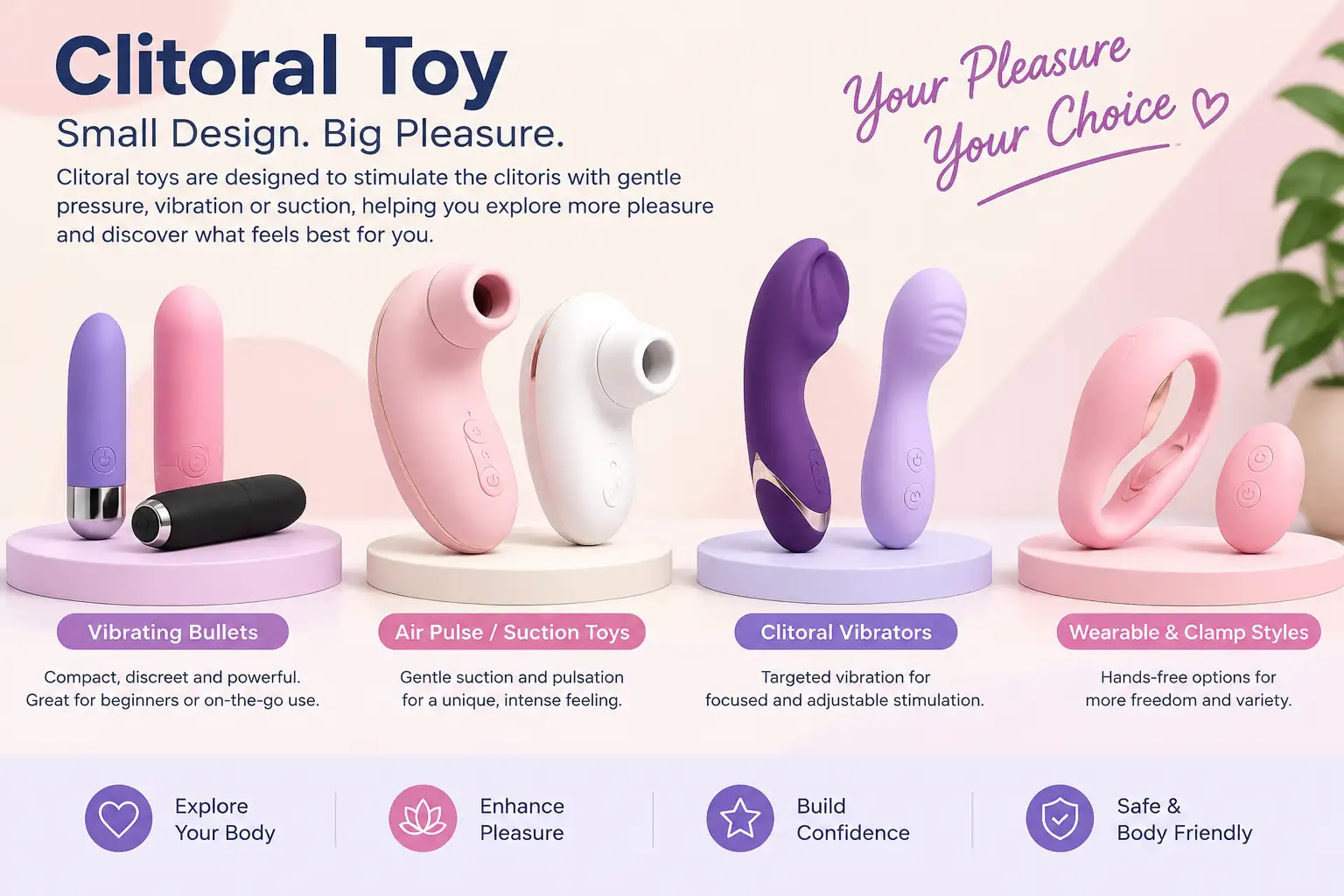
Understanding the basic principle makes every later choice easier — because most disappointments in use are just one stage of this process quietly breaking down.
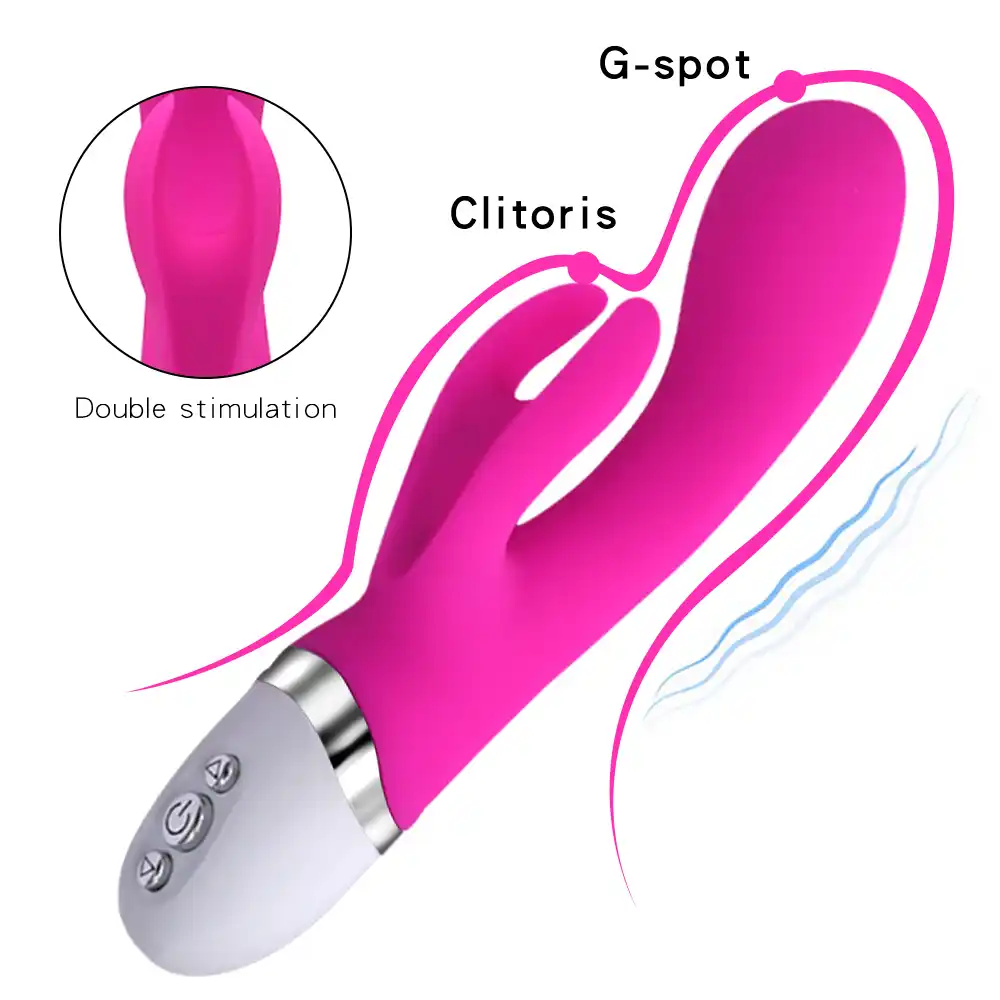
Vibration type. The most common. A built-in motor produces vibration that travels through the housing to the contact surface. Frequency, amplitude, and pattern determine the sensation. Cheap motors often offer a single frequency and run loud; quality motors deliver finer intensity steps and lower noise.
Air-pressure wave / suction type. These devices use a small air pump to create alternating pressure, producing a rhythm of suction and release on the clitoris. They don't make direct contact but transmit stimulation through air. Many users report this kind of stimulation is more focused and makes orgasm easier to reach, but some find it too intense. The key is the seal — if the edge doesn't conform to the body, pressure escapes and the effect drops off sharply.
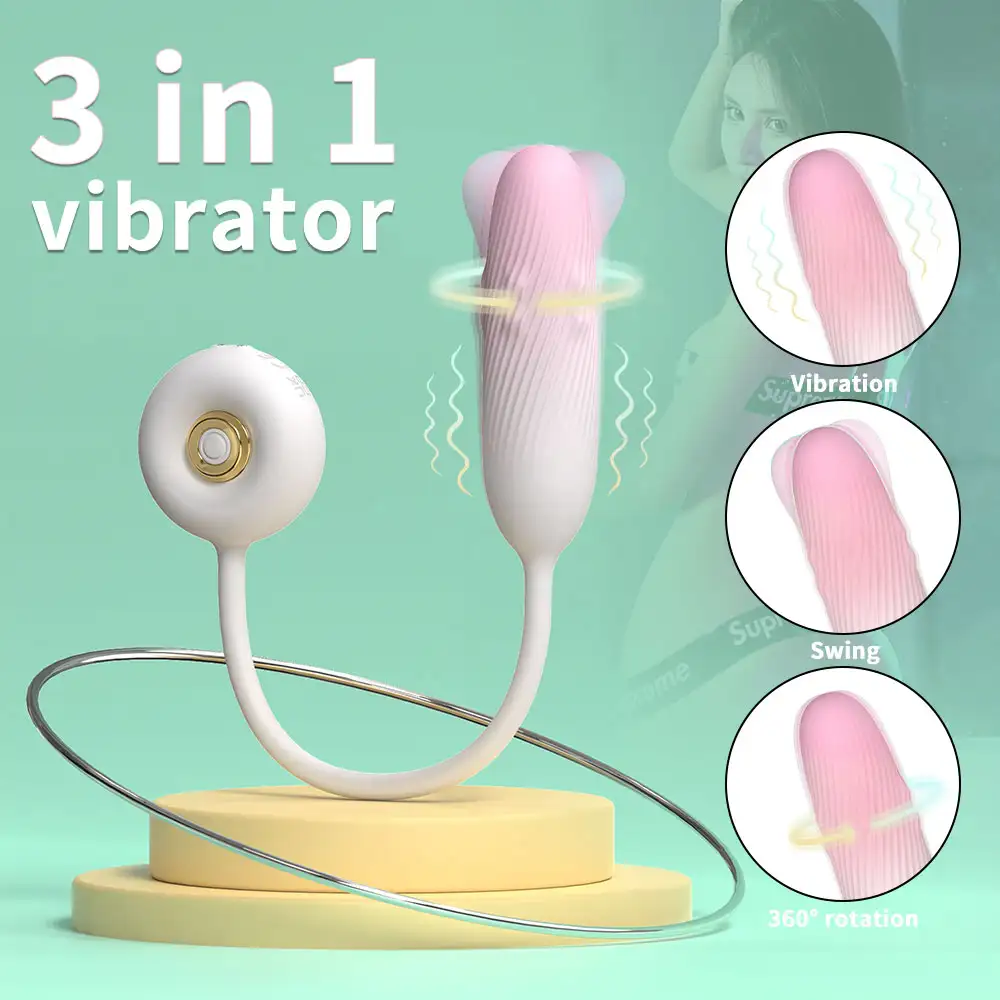
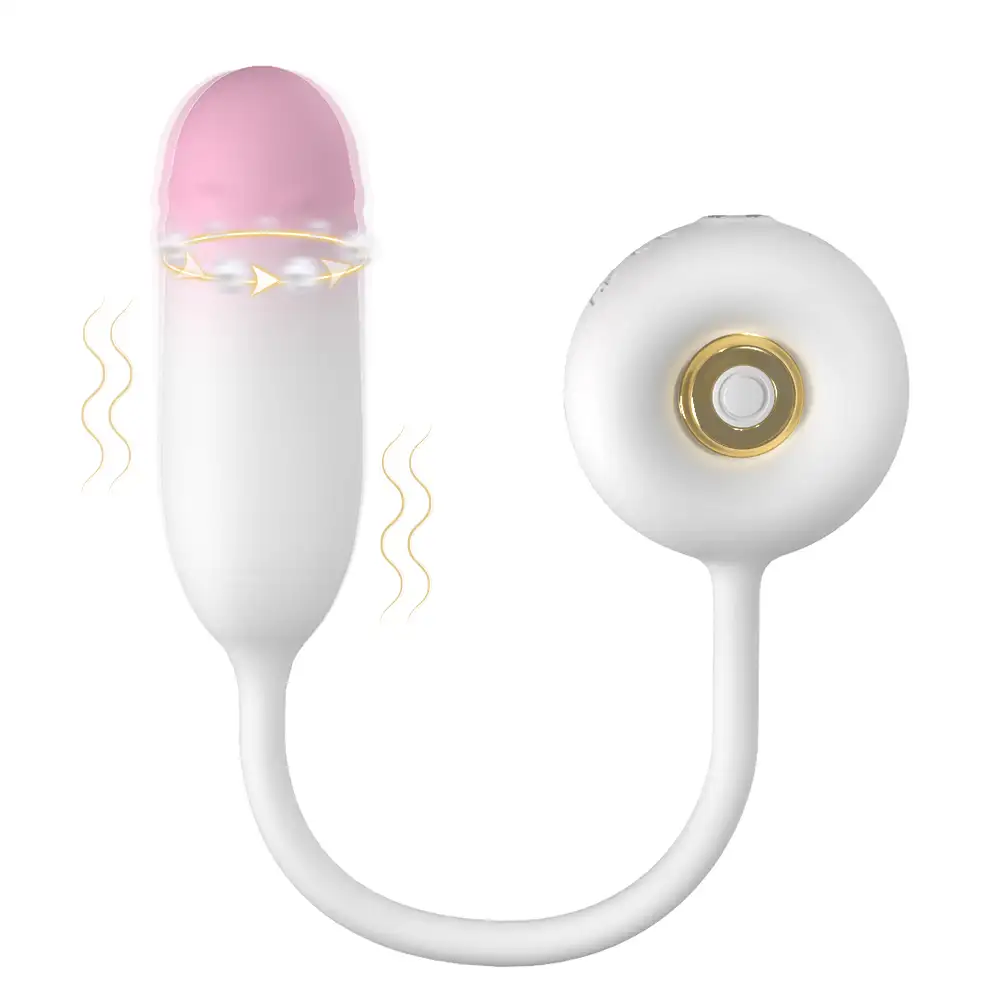
Pulsation type. Combines vibration with short pulses to simulate more complex rhythms. Usually found in higher-end products.
Whichever type it is, the core cycle is the same: power on, select intensity or pattern, use, power off, clean. But the quality of the experience comes from the whole loop working together in real use — not from any single headline number on the page.
A "20 vibration modes" marketing line tells you almost nothing. The experience is decided component by component, and a weak link anywhere drags down the whole product. Here's what actually matters, and the questions a seller should be able to answer without hesitating.
Motor. The motor determines noise, lifespan, and vibration quality. Brushless motors are usually quieter and more durable than brushed motors. Ask for: motor type, decibel rating, and whether it supports continuous use.
Material. The parts that contact skin must be safe. Medical-grade silicone is the top choice — non-porous, easy to clean, and free of phthalates. ABS plastic is common for housings but should not directly contact sensitive areas. Beware vague "silicone" claims; genuine medical-grade silicone should have relevant certifications. Ask for: contact-surface material, whether it contains phthalates, and whether it has safety certifications.
Battery and charging. The battery determines how long each charge lasts and how long the product lives. Built-in lithium batteries are mainstream, and USB charging is more eco-friendly and convenient than coin batteries. Ask for: battery capacity, charging time, runtime per charge, and whether it supports use while charging.
Waterproof rating. The IPX rating indicates water resistance. IPX7 can withstand short immersion, suitable for bathroom use and direct washing; IPX4 only resists splashes. Note: a waterproof rating only applies to the current condition, and aged seals degrade. Ask for: IPX rating, whether it can be fully washed, and whether the charging port has a waterproof cover.
Controls and noise. Button placement and whether mode switching is intuitive directly affect the experience. Noise relates to privacy — especially important when sharing a home or living with family. Ask for: operation method, lowest noise level, and whether it has a travel lock.
Charging interface and accessories. Magnetic charging is easier to clean and more waterproof than Micro-USB. Storage pouches, cleaning sprays, and replacement heads affect long-term convenience.
The theme across all of them is balance. A brilliant motor paired with poor material, or strong suction paired with a bad seal, gives you a product that performs to its weakest part — never its best.
Choosing between stimulation methods is one of the first decisions you'll make, and it shapes experience, price, and maintenance. Instead of just listing differences, it helps to know exactly when each one wins.
| Factor | Vibration | Suction / Air-Pressure Wave | Pulsation |
|---|---|---|---|
| Stimulation method | Direct vibration | Air suction | Vibration + pulses |
| Best for | First-time users, lower sensitivity | Those seeking focused, intense stimulation | Those seeking complex rhythms |
| Noise | Medium to high | Medium | Medium to high |
| Price | Lower to medium | Medium to high | Higher |
| Cleaning difficulty | Easier | Requires cleaning the seal edge | Easier |
| Risk of overstimulation | Lower | Higher | Medium |
Here's the shortcut. For a first try, or if you're unsure what you like, start with vibration. For faster, more focused orgasms and if you can handle stronger stimulation, choose suction. For richer rhythm variation, choose pulsation. Two warnings: suction isn't for everyone — some users find it too intense or even uncomfortable; and vibration isn't "basic" — many experienced users still prefer it.
If any single factor decides whether use feels reassuring, it's material. It directly contacts the most sensitive areas, and it's the easiest thing to overlook at the point of purchase.
| Material | Safety | Cleaning Difficulty | Durability | Best Fit |
|---|---|---|---|---|
| Medical-grade silicone | High | Easy | High | Most users |
| ABS plastic | Medium (housing only) | Easy | Medium | Budget product housings |
| TPE/TPR | Medium | Harder | Low | Short-term use |
| Low-quality "silicone" | Low | Hard | Low | Not recommended |
Medical-grade silicone has become the default for quality products for good reason. It's non-porous, doesn't harbor bacteria, is phthalate-free, and feels warm to the touch. TPE is cheaper but porous, easily traps dirt, and has a short life. Unlabeled "silicone" may contain fillers and carries irritation risk.
Now the part product pages rarely spell out: certifications and lab reports are not the same thing. A "passed safety testing" claim may rest on nothing but the seller's own word. What's genuinely credible: a clear material grade, third-party test reports, and a transparent ingredient list. This is also where cleaning products earn their keep. Quality cleaning sprays and specialty cleansers extend silicone life, while soapy water used long-term can corrode certain materials.
One myth worth killing: more expensive is always safer. Price correlates with safety, but not absolutely. Some mid-priced products use medical-grade silicone and quality motors, while some high-priced products spend the money on packaging and marketing. The key is to look at material specs, certifications, and real user feedback — not the price tag.
Product pages mislead as often as they inform. Learning to read them turns marketing figures back into real requirements — and stops you from over- or under-buying.
Start with "levels," because this is where the first trick lives. The number of levels tells you how many modes there are, but says nothing about stimulation quality. 20 cheap vibration levels may be worse than 5 quality ones. What actually matters is whether the lowest level is gentle enough, whether the highest is too intense, and whether switching is smooth. Watch for a common page sleight of hand: "powerful motor" with no frequency or amplitude data behind it, or "ultra-quiet" with no decibel figure behind it.
Next, turn noise into a real-world scenario. Decibel ratings vary by measuring distance. 40 dB is roughly a quiet library; 50 dB is close to normal conversation. If you need absolute privacy, look for products rated below 40 dB and check user feedback on actual noise. Many products get noticeably louder at the highest level, while the marketing only mentions the lowest.
Then there's runtime — how long each charge lasts, your buffer against "dead at the worst moment." This is the single most manipulated figure on many pages. Ask what the runtime claim assumes. Is it based on the lowest level or the highest? Does it include a heating function? A "2-hour runtime" rating can collapse to 30 minutes at the highest level with suction mode. Runtime is only meaningful next to your usage habits.
So when you match specs to your needs: compare material and motor quality rather than the number of levels; set noise expectations by real use scenarios; estimate runtime at the highest intensity; and confirm the waterproof rating actually supports how you clean. Miss that last check and everything upstream falls apart.
A clitoral toy lives in a private setting for years, enduring cleaning, storage, and repeated charge cycles. The right material and protection rating decide whether it endures or fails early — and matching the two keeps maintenance low.
Hygiene comes first. Clean before and after every use. Medical-grade silicone can be cleaned with warm water and a specialty cleanser; avoid alcohol and strong acids or bases. Porous materials are harder to clean thoroughly and carry higher long-term risk. Store in a dry, dark pouch, and avoid direct contact with other silicone products — some materials react with each other, causing surfaces to become tacky.
Environment also affects long-term performance. Bathroom humidity accelerates charging-port corrosion and seal aging, so wipe dry before storing even if it's rated waterproof. High heat shortens battery life, so don't leave it in direct sunlight or in a car. Use the travel lock when traveling to prevent accidental power-on in luggage.
Use conditions matter as much as the product itself. Before use, confirm: the device is clean and dry, the battery is sufficient, the seal edge is undamaged, and the lubricant is compatible with the material (use water-based lubricant with silicone; avoid silicone-based lubricant, which corrodes silicone). The warning that bears repeating: even a slightly damaged seal edge can drastically reduce suction performance and may cause discomfort — so check before every use.
Most clitoral toy disappointments trace back to selection and sizing errors, not to the technology. These six account for the bulk of regretted purchases — and every one is preventable before an order is placed.
Price-only shopping. Cheap products hide poor materials, noisy motors, and missing certifications. Fix: compare cost per use and safety, not sticker price.
Ignoring material. Unlabeled silicone can cause irritation or allergies. Fix: confirm medical-grade silicone and third-party testing.
Underestimating noise. Privacy is critical for many users. Fix: check real decibel data and user feedback, not just marketing copy.
Overestimating runtime. Actual use time at the highest level falls far short of the claim. Fix: estimate runtime at the highest intensity and confirm charging speed.
Neglecting cleaning and maintenance. Porous materials and improper cleaning shorten lifespan and create hygiene risks. Fix: choose non-porous materials and build a before-and-after cleaning habit.
Overlooking warranty and after-sales. A cheap product with no support turns expensive fast. Fix: confirm warranty terms, spare-part access, and customer service responsiveness before buying.
Notice the pattern: nearly every disappointment is a decision that could have been made better at the selection stage. Every satisfying experience starts there too.
Judging a clitoral toy by unit price alone leads straight to bad decisions. The real question is total cost of ownership — and knowing where the money is best spent.
Compare upfront cost against long-term value honestly. A quality product carries a higher unit price but erases entire cost lines: fewer replacements, less cleaning hassle, more material peace of mind, and longer battery life. The main recurring cost is cleaning supplies and possibly replacement heads — predictable and modest against repeated cheap purchases. Across its full service life, a well-specified product frequently costs less than its cheap equivalent.
Under a few specific conditions, spending more pays off:
Material and safety. Direct contact with sensitive areas — this is one place not to compromise.
Motor quality. Determines noise, lifespan, and stimulation refinement — the core of the experience.
Battery and charging. Affects daily convenience and long-term reliability.
Waterproofing and cleaning convenience. Relates to hygiene and lifespan, especially for suction types.
Privacy and storage. For users in shared housing or living with family, it's worth paying a little more for quiet operation and portable design.
More expensive isn't always better, and it's worth saying so plainly. Once you have a clear sense of your needs and preferences, a mid-priced product can fully meet them. The discipline is to match the product to your needs, not to the marketing — and to calculate over long-term use, not the first invoice.
Standard products rarely fit everyone perfectly, which is why variety matters. Once you understand the product, the final step is deciding what to buy — and, more importantly, vetting the seller who'll provide it.
Options usually cover stimulation type, intensity range, material, size, color, quietness level, and accessories. For users with specific needs, it can extend to app control, remote interaction, and heating — increasingly common in partner play and long-distance scenarios.
But a strong product from a weak seller still fails, because nobody's there when something goes wrong. Before you commit, put every candidate through a hard screening — these are the questions that separate a real brand from a rebrander:
Certifications: valid material safety and electrical safety documentation for your target market — actual certificates, not claims.
Test evidence: real reports for noise, runtime, and waterproof rating — ideally third-party test data.
Selection support: can they recommend the right type based on your needs and experience level, rather than just pushing the most expensive one?
Warranty: clear terms, realistic coverage, and genuinely accessible spare parts.
References: completed user feedback from people with needs similar to yours.
Responsiveness: customer service that helps you choose correctly rather than just closing a sale.
This is where a brand's real depth shows. The aim isn't to sell you the most expensive product; it's to help you choose the right one and stand behind it.
Choosing a clitoral toy well comes down to one discipline: match the product to your needs. Choose the stimulation type by real use scenario, balance material, motor, and runtime instead of chasing a single spec, specify material and noise level for your hygiene and privacy needs, and judge value across long-term use rather than the first invoice. Read product pages skeptically — ask what the levels assume, what the runtime hides, and what test reports actually exist. Every disappointment traces back to a decision that could have been made better up front, which means every satisfying experience starts there too.
The practical next step is simple: map your sensitivity, use scenario, and hygiene requirements against the criteria in this guide. When you want a second opinion on a choice — or help picking a product for a specific need — reach out to a trusted specialty retailer, and turn a sound plan into years of quietly dependable companionship.

 English
 简体中文
简体中文 繁体中文
繁体中文