Welcome to shopicat Mall!
Welcome to shopicat Mall!
Cart
CloseYour shopping cart doesn't have any products yet!!
Simply put, a vibrator is an electronic device designed to stimulate sensitive areas of the body—such as the clitoris, G‑spot, penis, or perineum—through vibration. It can be used solo or with a partner, helping people explore their own responses and experience pleasure more efficiently and deeply.
Key features of modern vibrators include:
Body‑safe materials: Most quality products are made from medical‑grade silicone, which is non‑porous, hypoallergenic, and easy to clean.
Motor performance: The motor is the heart of the device, determining both power (intensity) and feel ("rumbly" deep vibrations vs. "buzzy" surface‑level ones).
Smart features: Many high‑end models now offer waterproofing, whisper‑quiet operation, app control, and even pressure sensors for interactive play.
To pick the right one, you need to know what's out there.
By Shape & Stimulation Type
Bullet Vibrator – Tiny and discreet, perfect for pinpoint external stimulation (like the clitoris). A top choice for beginners and travel.
Egg Vibrator – Egg‑shaped, often with a wired remote. Can be used externally or internally, and some are designed to be worn during Kegel exercises.
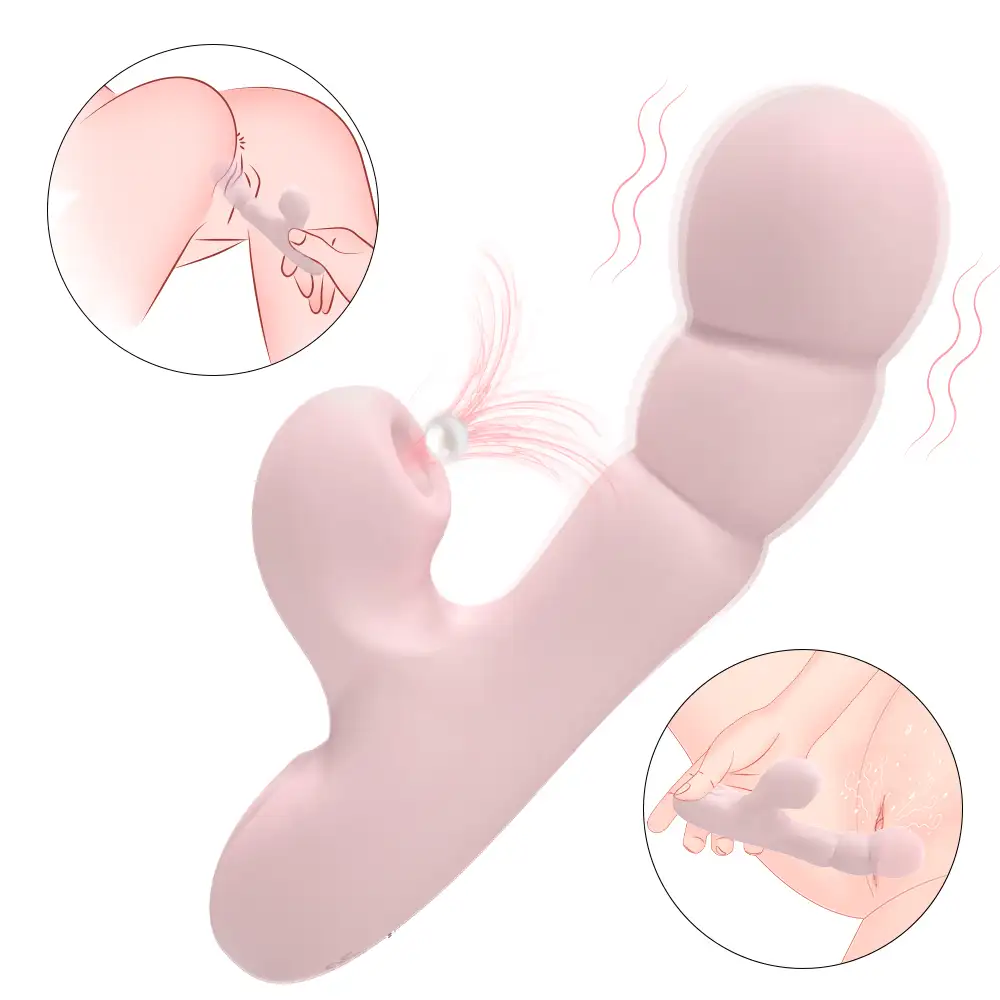
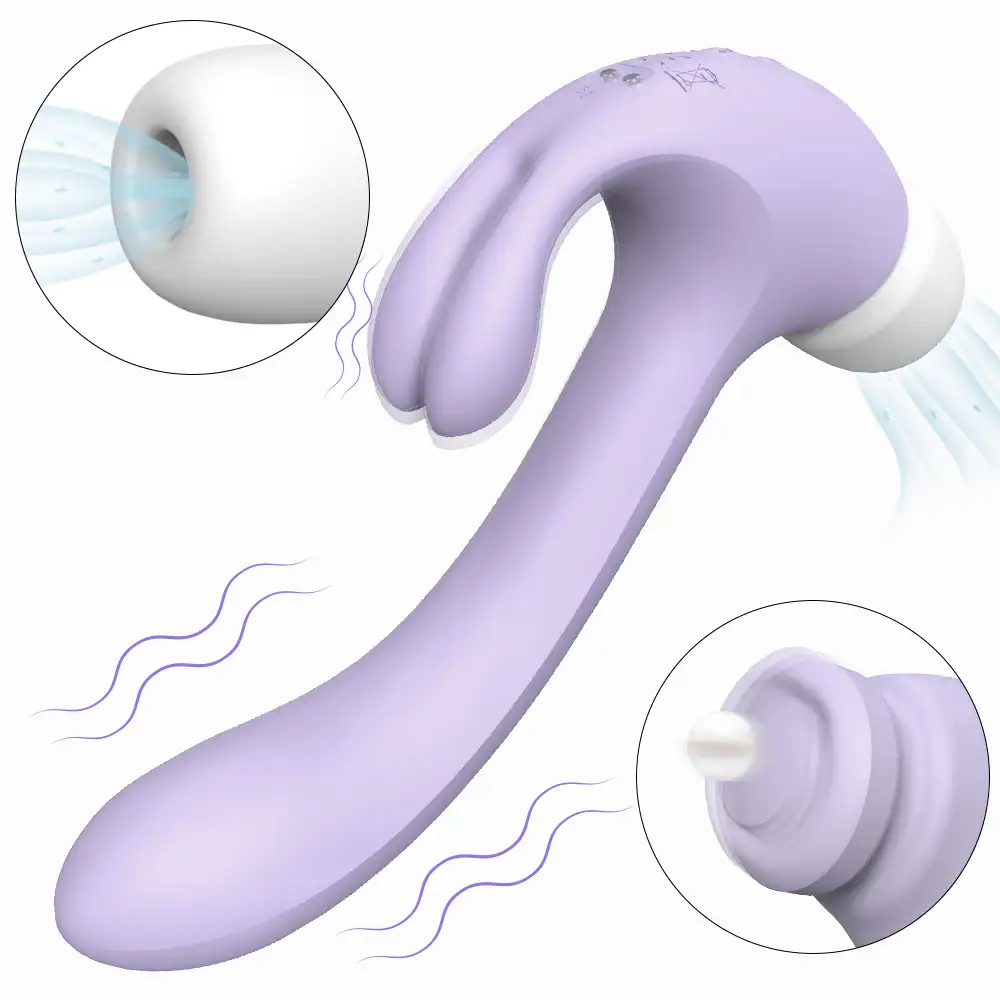
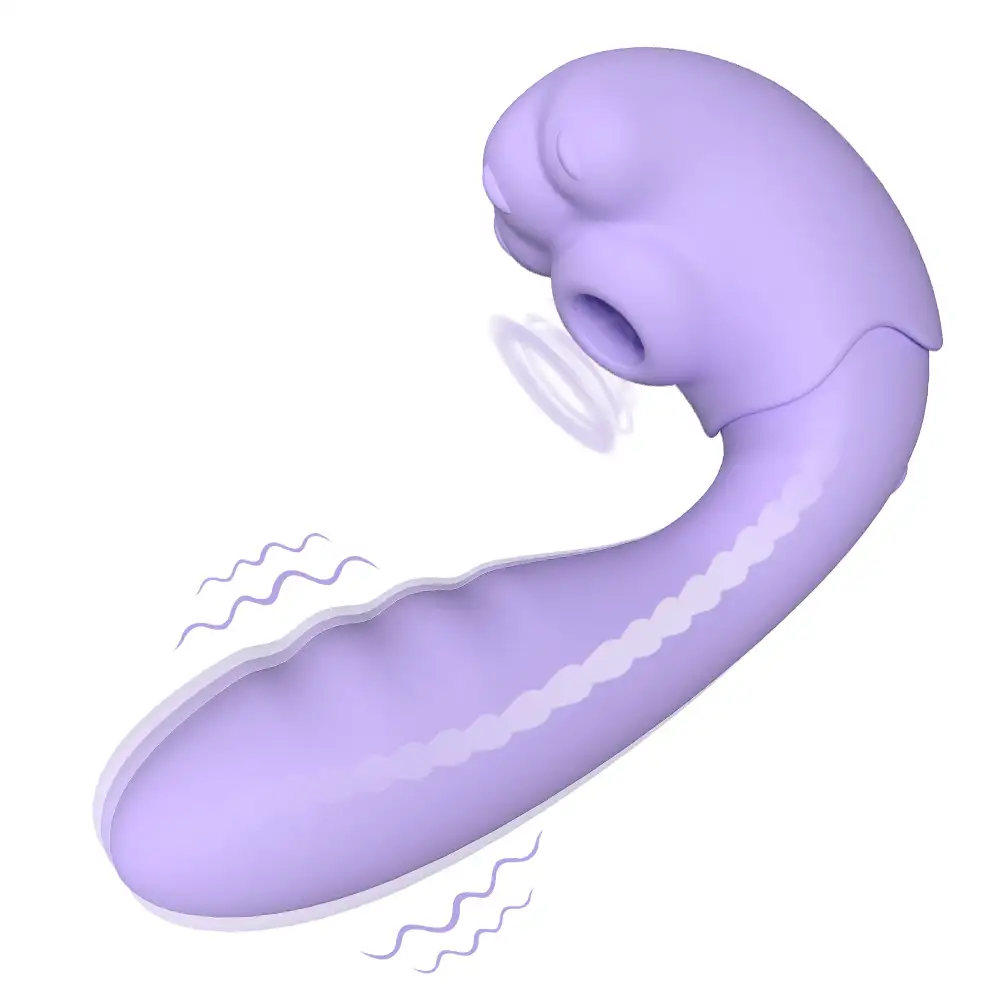
Air‑Pulse / Suction Stimulator – Uses pulsing air pressure to create a sucking sensation without direct contact. One of the most popular vibrator categories in recent years, offering a completely unique feel.
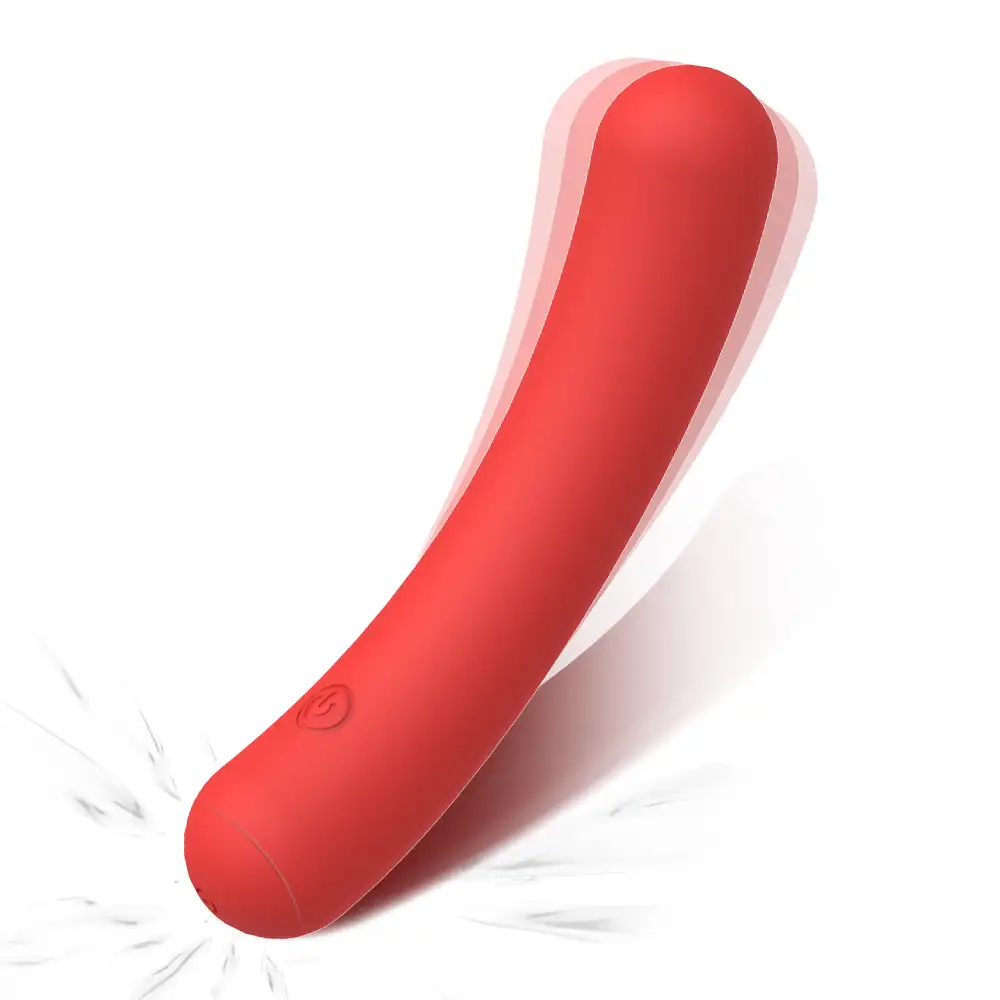
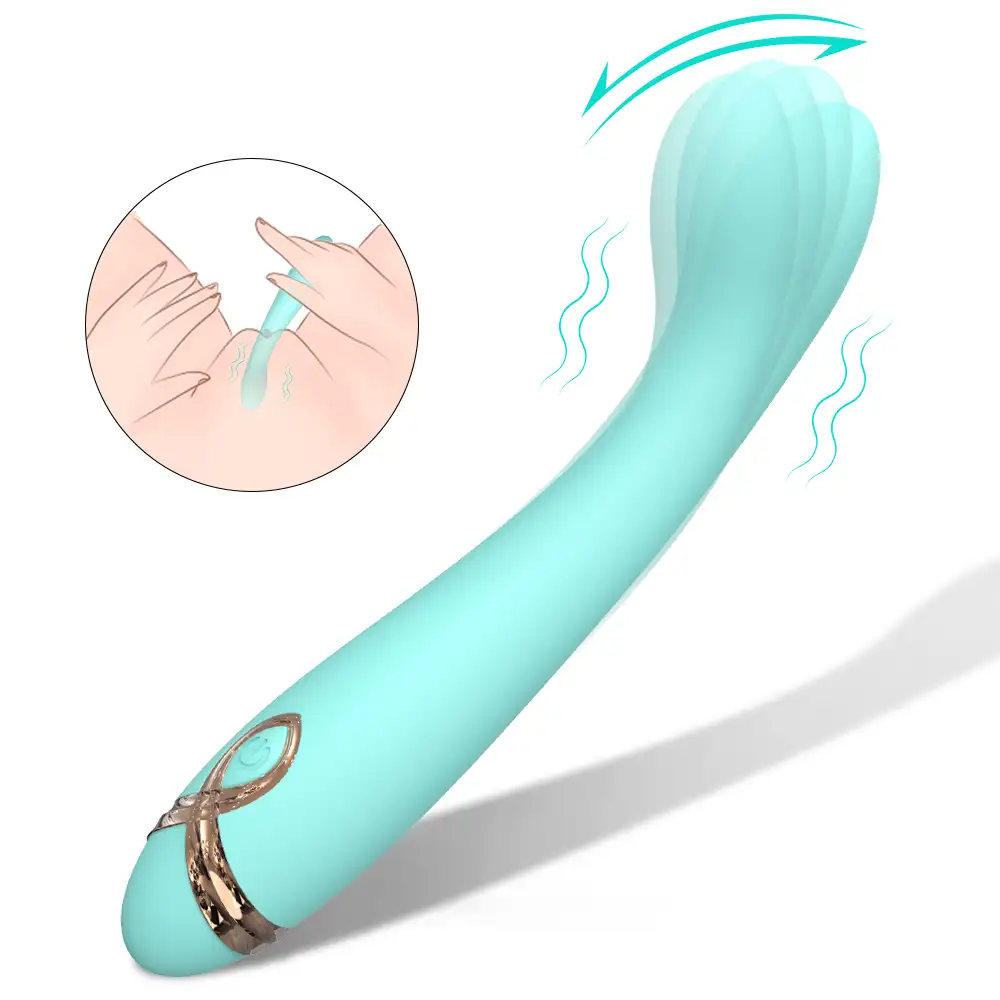
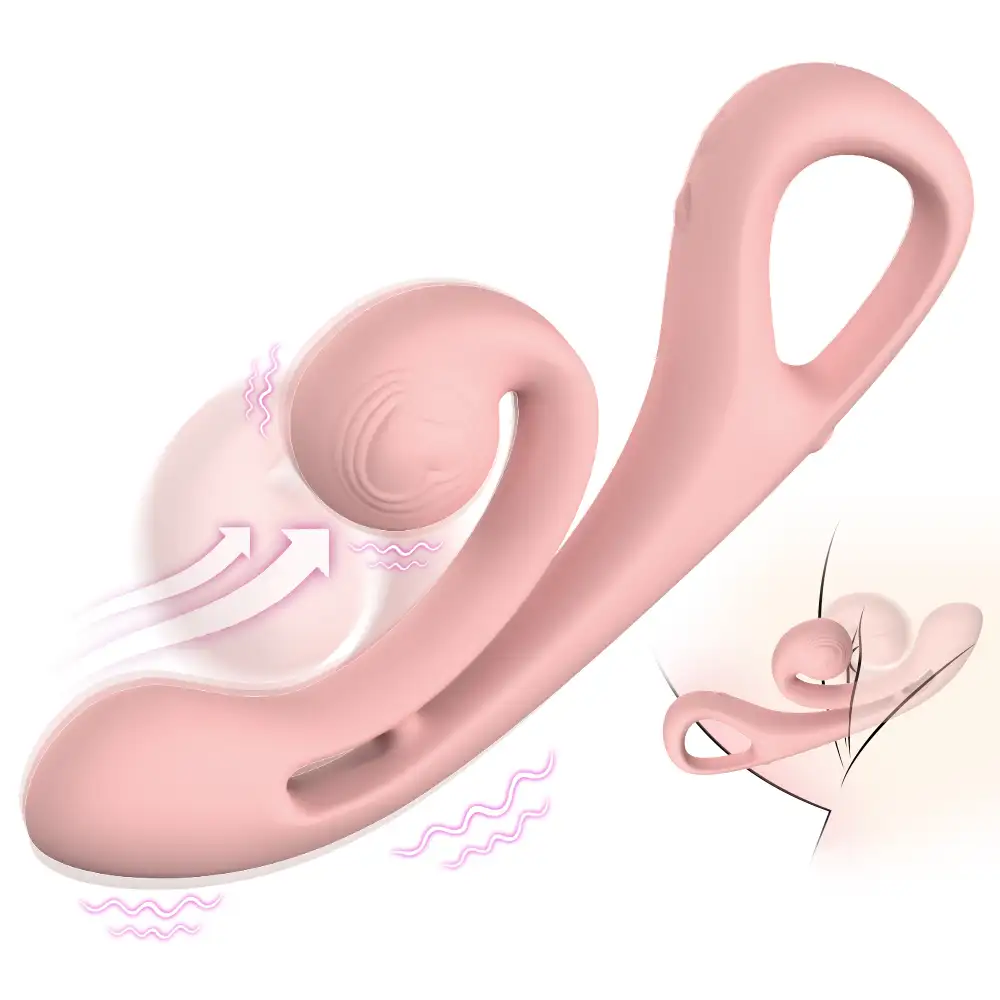
G‑Spot Vibrator – Curved at the tip specifically to target the G‑spot on the front wall of the vagina. Usually firmer to transmit vibrations effectively.
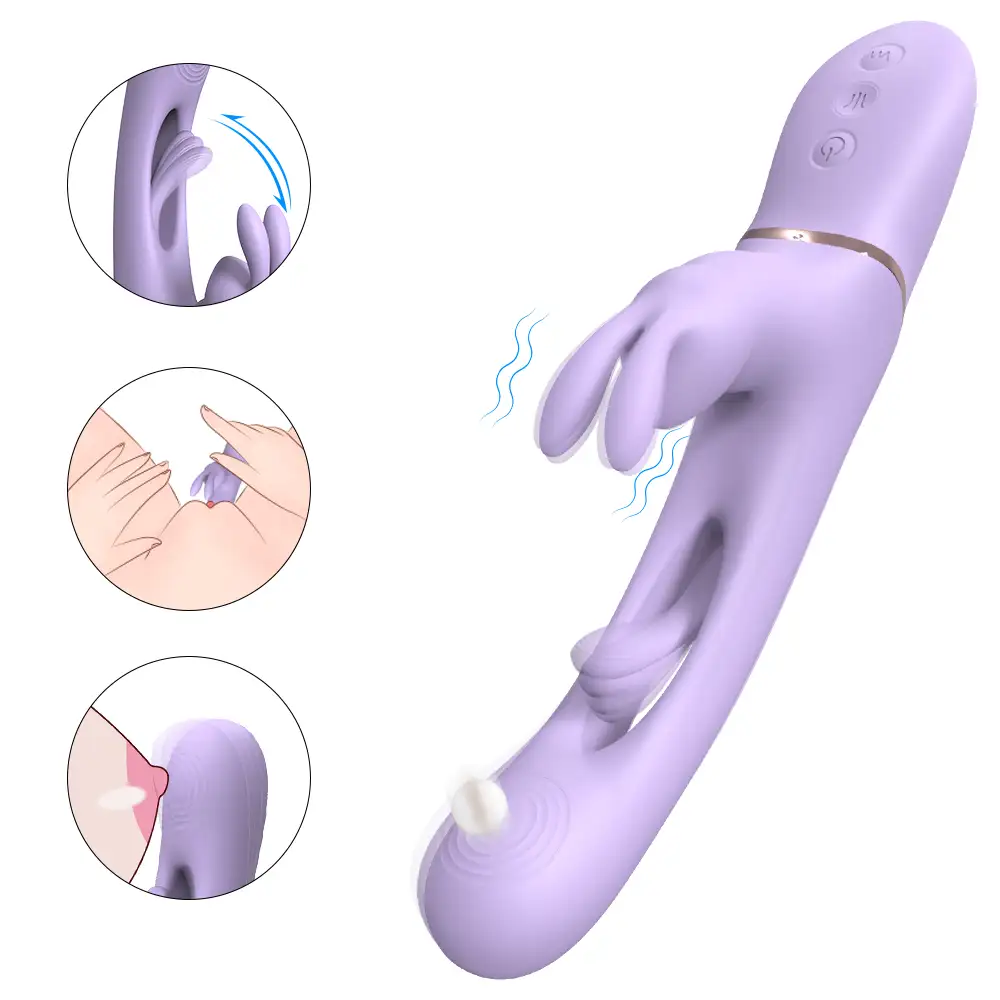
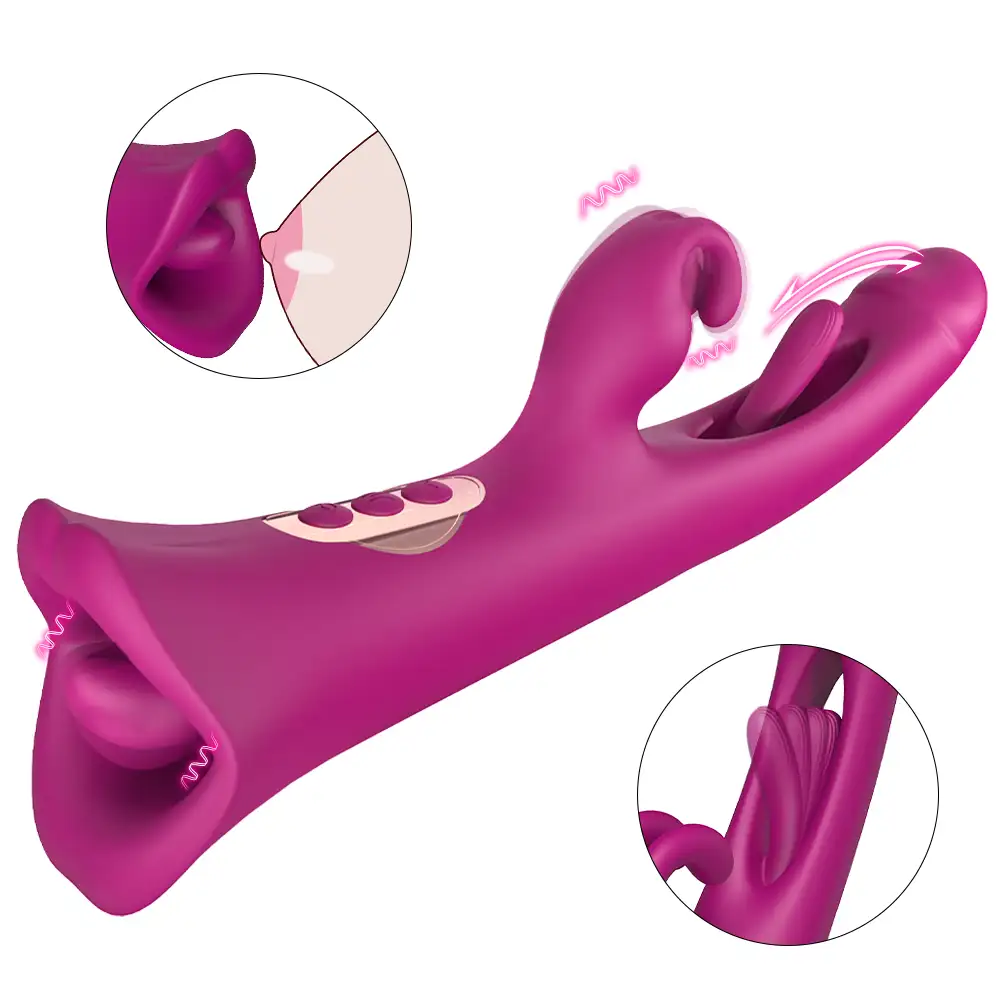
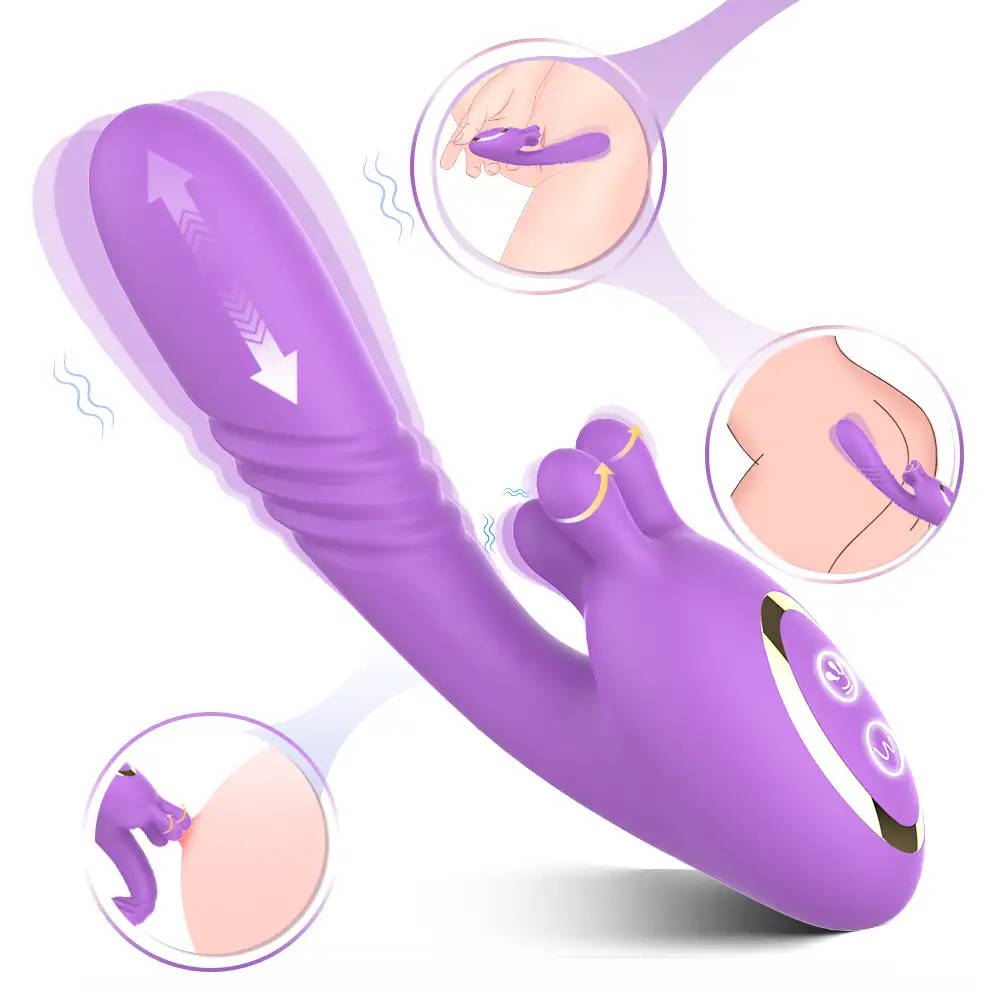
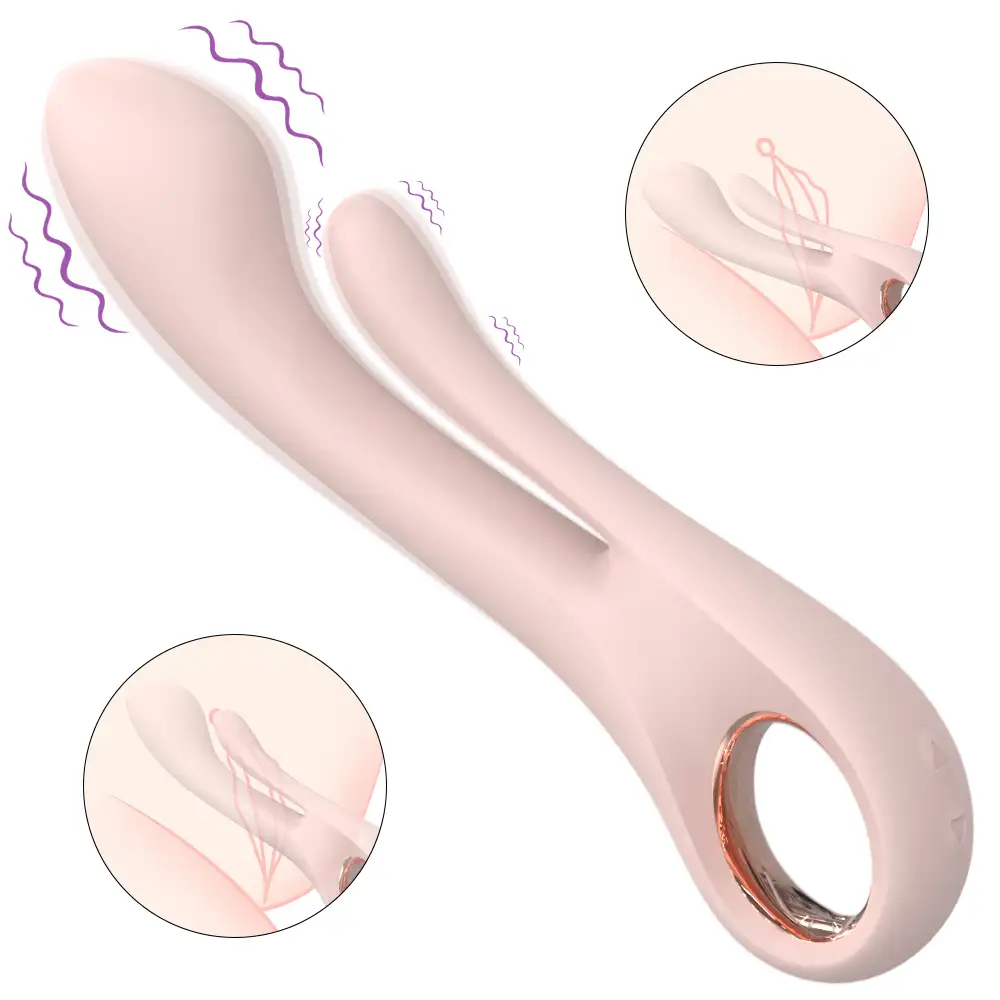
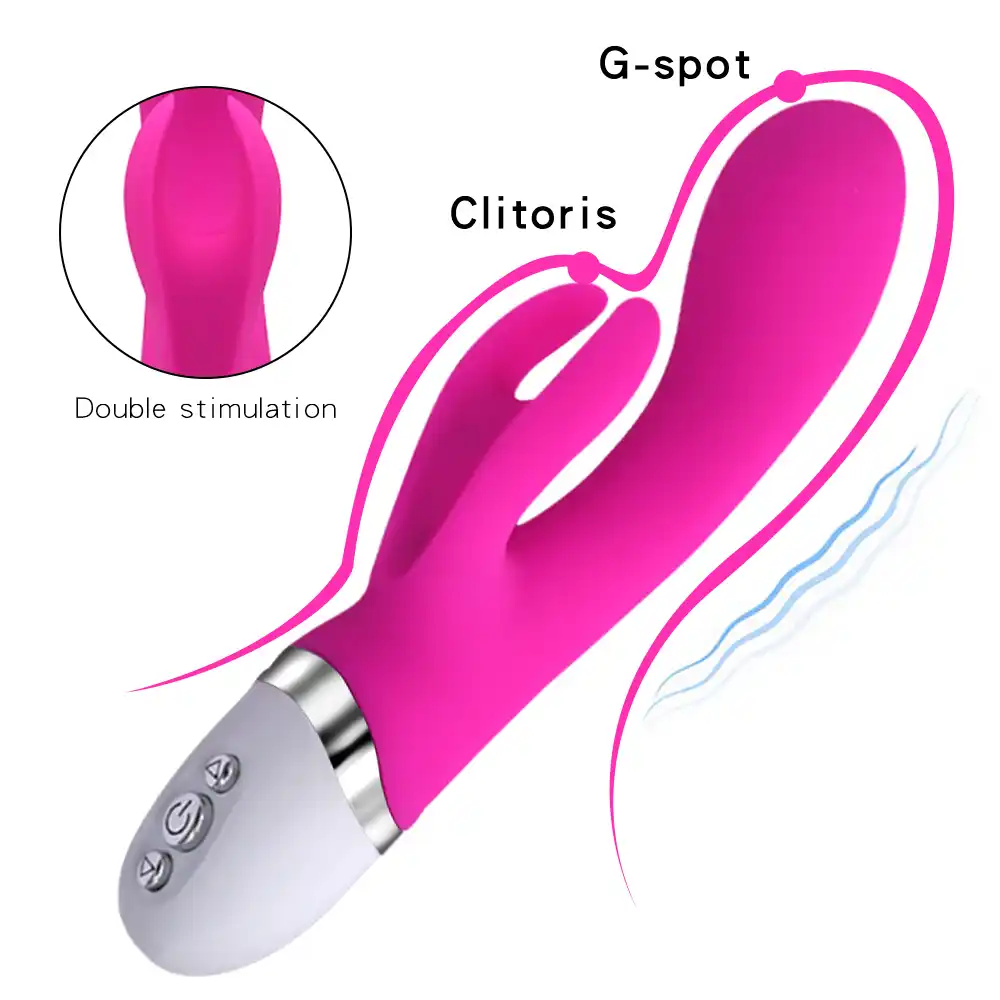
Rabbit Vibrator – Dual‑stimulation design: the main shaft works internally while the attached "ears" stimulate the clitoris externally. Each motor can be controlled separately.
Wand Massager – Large head with deep, powerful, "rumbly" vibrations. The go‑to vibrator for anyone who loves intense external stimulation.
Double‑Ended Vibrator – Both ends can be used, great for couples playing together or for exploring dual stimulation solo.
Prostate Vibrator – Designed specifically for internal male stimulation, shaped to fit the anatomy of the prostate. Critical safety note: Any anal vibrator must have a flared base to prevent it from getting lost inside.
By Control & Usage Scenario
These features often overlap with the shapes above:
Wearable Vibrators: Strap on or fit into underwear, leaving your hands free—great for couple's play.
Remote / App‑Controlled Vibrators: Let a partner control the device from anywhere, perfect for long‑distance relationships or adding a playful twist.
Whisper‑Quiet Vibrators: Essential if you have roommates or need privacy. Check reviews for real‑world noise feedback.
By Material
Material directly affects both safety and sensation—it's the foundation of your vibrator choice:
Medical‑Grade Silicone – The gold standard. Non‑porous, skin‑friendly, and a breeze to clean.
ABS Plastic – Hard, durable, often used for outer shells or non‑contact parts.
Glass / Stainless Steel – Smooth, can be heated or cooled for temperature play. Some are non‑vibrating and need a separate bullet; others come with built‑in motors.
TPE / TPR – Soft and flexible, but porous and harder to sanitize. Not recommended for sharing. Fine as a budget or starter option.
Avoid at all costs: Cheap "jelly" materials with a strong chemical smell—they often contain phthalates, which can be harmful. Always look for "Phthalate‑Free" on the label.
Choosing isn't about chasing specs—it's about tuning in to what you actually enjoy. Start with your core preference: if you love quick, pinpoint external stimulation, a bullet or air‑pulse vibrator is your best bet; if you're curious about G‑spot play, go for a curved dedicated G‑spot vibrator; if you want both inside and out at the same time, the rabbit vibrator is a classic favorite; for partner play or long‑distance fun, wearable or app‑controlled vibrators add a whole new dimension; and if deep, powerful pressure is what gets you there, a wand vibrator delivers the strongest punch. Once you've narrowed down the type, run it through the practical filters below—material safety, waterproofing, noise level, size, battery life, and budget—and you'll find your perfect match in no time.
Here's what to look for in each category:
Material Safety – Non‑negotiable. Prioritize products clearly labeled "medical‑grade silicone" and "phthalate‑free." Stick with reputable brands and check their official sites or store pages for third‑party test reports (like FDA or CE certification)—don't just trust the marketing copy.
Waterproof Rating – For bath or shower use, look for IPX7 (can be fully submerged) or higher. For splash‑proof everyday use, IPX4 is sufficient.
Noise Level – If privacy matters, read user reviews for comments on how quiet (or loud) the vibrator really is.
Intensity, Modes & Size – Beginners should start with something smaller with fewer intensity levels and a wide, gentle range; experienced users can explore multi‑mode, multi‑speed high‑end models.
Charging & Battery – USB magnetic charging is the current standard, with 1‑3 hours of run time. Battery‑powered models are cheaper upfront but cost more over time and aren't as eco‑friendly.
Budget – Entry‑level ($15‑$40): basic function; mid‑range ($40‑$110): better materials, quieter, longer battery life; high‑end ($110+): smarter features, app integration, and more refined feedback.
Lube isn't optional—it's a game‑changer. It boosts comfort, enhances sensation, and protects your vibrator.
Water‑Based Lube – The top recommendation for all silicone vibrators. Easy to wash off and compatible with condoms.
Silicone‑Based Lube – Lasts longer and feels silkier, but never use it with silicone vibrators—it can break down the surface.
Oil‑Based Lube – Not recommended for internal use, as it can disrupt vaginal flora and damage latex condoms.
Golden rule: If your vibrator is silicone, stick with water‑based lube only.
Before you start: Give your vibrator a quick once‑over to make sure it's in good shape and fully charged. The single most important prep step is having plenty of water‑based lube on hand—it makes everything more comfortable and protects the silicone surface. Set the mood in a relaxing, private space, give yourself plenty of time, and let go of any pressure to "achieve" something specific.
After you're done: Power down and unplug it right away. Clean your vibrator as soon as possible, even if it doesn't look dirty—bacteria can multiply fast. Before cleaning, double‑check the waterproof rating: if it's waterproof (IPX7 or above), wash it with warm water and mild, fragrance‑free soap; if it's not waterproof, wipe it down with a damp cloth and mild soap, then dry thoroughly with a clean towel. Never store your vibrator without cleaning it first.
Routine Cleaning (After Every Use)
Know your waterproof rating – This is critical.
Waterproof (IPX7+): Rinse with warm water and mild, fragrance‑free soap or a dedicated toy cleaner.
Not waterproof: Never submerge or rinse! Wipe with a damp cloth and mild soap, then dry with a clean cloth.
Dry completely – Let it air‑dry fully before storing to prevent mold and mildew.
Deep Cleaning
For silicone vibrators, use a dedicated toy sanitizing spray.
For uncoated glass or stainless steel vibrators only, you can wipe with rubbing alcohol. Never use alcohol on coated or painted surfaces—it can damage the finish.
Storage
Keep in a cool, dry place out of direct sunlight.
Store in a separate pouch or box. Avoid letting different materials (especially silicone and TPE) touch each other—they can react and stick together over time.
If it runs on batteries, remove them if you won't be using it for a while to prevent corrosion.
When to Retire Your Vibrator
With proper care, most vibrators last 1‑3 years. If you notice discoloration, stickiness, cracks, or an unusual odor, it's time to retire it—continuing to use a degraded vibrator can be a hygiene risk.
Q1: What should I know before my first time using a vibrator?
Pick a relaxed, private setting and give yourself plenty of time. Don't put pressure on yourself to reach any particular outcome. Use lots of lube, start on the lowest setting, and explore at your own pace.
Q2: How often should I clean my vibrator?
After every single use. No exceptions.
Q3: Can I share my vibrator with a partner?
It's not recommended. If you do, use a fresh condom on it every time and swap it out between partners to avoid any risk of cross‑contamination.
Q4: What if my skin gets red or itchy after using a vibrator?
Stop using it immediately. You might be reacting to the material or the lube. If symptoms persist, check with a healthcare provider to pinpoint the cause.
Q5: Will using a vibrator make me less sensitive?
With normal, moderate use, no. If you notice you need stronger stimulation than before, just take a few days off—sensitivity usually bounces back quickly. No need to worry.
Q6: Can a waterproof vibrator be fully submerged?
Check your manual. IPX7 or higher means it can handle brief submersion, but don't leave it soaking in the bath for long, and always dry the charging port completely afterward.
Q7: How can I tell if the vibrator's material is actually safe?
Don't rely on product descriptions alone. Go with trusted brands and look for third‑party certifications (like FDA or CE) on their official sites. Make sure "Phthalate‑Free" is clearly stated.
Q8: Can I use my vibrator while it's charging?
Absolutely not. For safety reasons, always unplug it before use. Check your manual for specific guidance.
Sale 20% off all store

 English
 简体中文
简体中文 繁体中文
繁体中文