Welcome to shopicat Mall!
Welcome to shopicat Mall!
購物車
Close您的購物車還沒有商品!!
Masturbation cups—commonly known as "pocket pussies" or "strokers"—are among the most popular male adult products on the market today. They're valued for their privacy and ease of use. However, many users end up with subpar experiences—or even skin irritation, odor buildup, and hygiene issues—simply because they don't know the correct usage techniques, cleaning procedures, or maintenance routines. This guide covers materials, preparation, technique, cleaning, storage, and health safety to give you a comprehensive, professional reference.
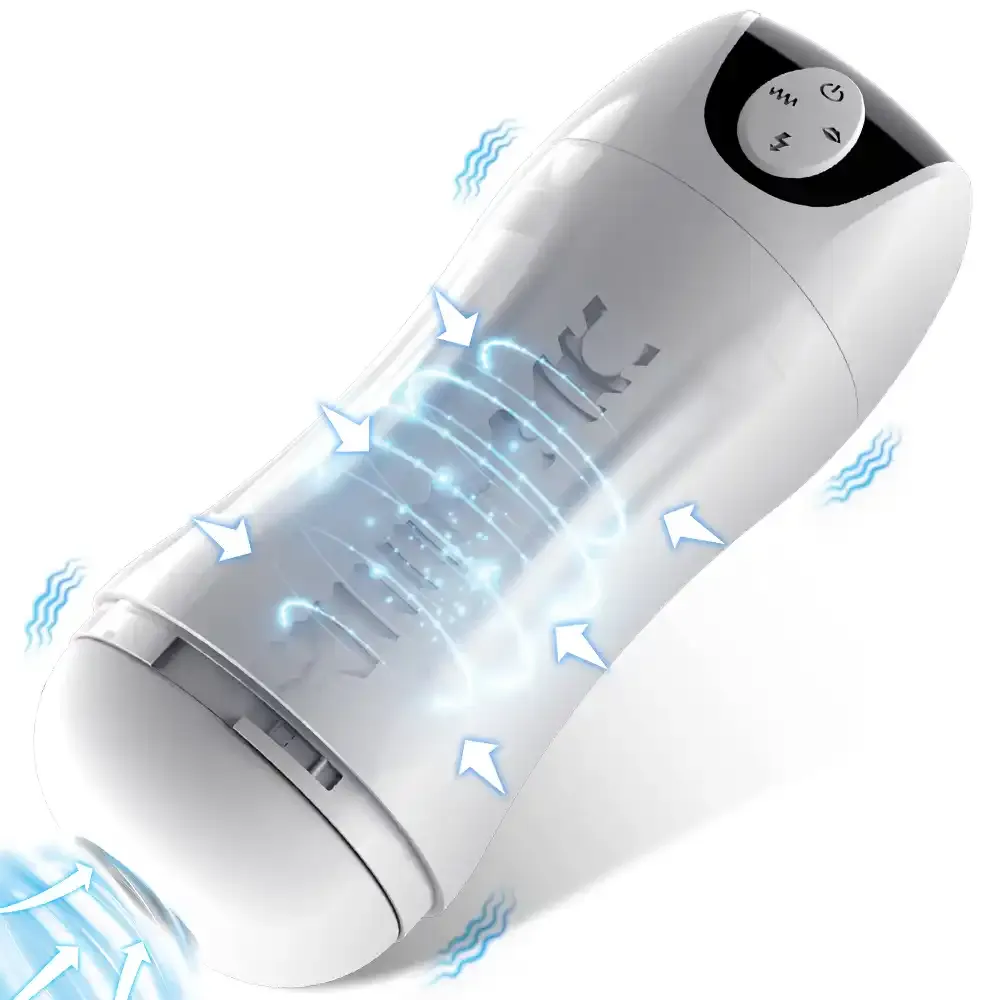
Shopicat Max Vacuum Suction Auto-Stroking Smart Voice Interactive Male Masturbator
Understanding the basic categories will help you choose the right product for your needs.
One-Piece (Fixed) – The internal channel is not removable. Cleaning is less convenient, but the seal is better and the feel is more cohesive.
Removable/Detachable – The outer shell and inner sleeve can be separated, making cleaning much easier and allowing for replacement sleeves. Ideal for long-term repeated use.
Air-Pressure Adjustable – Features a vent or air valve that lets you control suction by compressing the cup, offering a wider range of sensation.
Internal textures (nubs, ribs, spirals, waves, etc.) directly affect friction and stimulation. Choose based on personal preference—tight, soft, or graduated textures are common options.
The material is the single most important factor for both comfort and health.
TPE is soft, elastic, and affordable—which is why it's the most common material on the market. However, TPE is somewhat porous and absorbs moisture, so it can harbor bacteria if not cleaned thoroughly. It also doesn't tolerate high heat—keep it away from flames and hot surfaces.
Medical-grade silicone is denser, more resistant to bacterial growth, and heat-tolerant (can even be boiled for sterilization). It's easier to keep hygienic, but it costs more and has a firmer, bouncier feel that's slightly different from real skin.
Always choose products labeled "medical-grade," "food-grade," or "body-safe," with no strong chemical odor and clear safety certifications. Avoid no-name products with sharp, irritating smells to reduce the risk of allergic reactions or infections.
Good preparation is key to a comfortable experience and preventing issues.
Before first use, rinse the internal channel with warm water (around 100–105°F / 37–40°C) to remove any manufacturing dust or residues. Check the surface for tears, rough spots, or defects.
For a more lifelike feel, soak the product in warm water for 3–5 minutes to warm it up. Do not exceed 113°F / 45°C—higher temps can warp the material or burn your skin. Allow it to cool to room temperature naturally before cleaning and storing afterward.
Choose a private, dry, well-ventilated area. Have your cleaning supplies (mild cleanser, clean towel) and lubricant ready beforehand so you don't have to interrupt the session to search for them.
Choosing the right lube is a critical detail that many beginners overlook—it directly affects both your experience and the product's lifespan.
This is the safest, most universal option. It's compatible with all materials (including TPE and silicone), won't degrade the product, and rinses off easily without leaving a sticky residue. Always start here.
Silicone lube lasts longer, but do not use it with silicone toys—they share a chemical affinity and will bond, causing the surface to soften, swell, or become gummy, permanently ruining the product.
Avoid Vaseline, massage oils, or any oil-based products. Oils degrade TPE, accelerating aging and stickiness, and oily residues are hard to wash off—creating a breeding ground for bacteria.
More isn't always better. Apply a moderate amount to the inside of the sleeve and to yourself. Add a little more during use if you feel friction, rather than pouring in too much at once, which wastes lube and makes cleanup harder.
If you're new to the product, begin with a slow rhythm and light pressure. Let your body adjust before increasing intensity—this prevents chafing or damaging the sleeve.
Different sleeves have different internal tightness. You can vary suction and sensation by changing your grip strength. Avoid squeezing too hard for extended periods, as this can create uncomfortable localized pressure. A steady, even rhythm works best.
Keep sessions to around 15–20 minutes max. Longer use can cause chafing, temporary redness, or mild discomfort from prolonged friction and engorgement. If you feel stinging or burning, stop immediately.
Myth #1: Softer is always better. Very soft materials feel nice but are often less durable and less antimicrobial. You need to balance comfort with longevity.
Myth #2: You can skip cleaning if you store it right away. Leaving bodily fluids and lube inside the sleeve is the #1 cause of odor and bacterial growth. Always clean immediately after use.
Myth #3: It's okay to share. These are highly personal items. Never share with anyone to avoid cross-contamination and infection risks.
Important: If you have sensitive skin, open cuts, rashes, or any infection, pause use and consult a doctor if needed.
Proper cleaning is what separates a product that lasts from one that ends up in the trash. Follow these steps every time:
If your model has a removable sleeve, take it out. Rinse the internal channel thoroughly with lukewarm running water (below 104°F / 40°C; silicone can handle slightly warmer water) to flush out residues.
Use a gentle, toy-specific antibacterial cleanser. Avoid regular soaps, body washes, or anything with fragrances or alcohol—they can degrade the material or trigger skin reactions.
Turn the sleeve inside out if possible, and let it air-dry in a cool, shaded, well-ventilated area. Never use direct sunlight or a hairdryer—heat accelerates material breakdown. Make sure there's no moisture left inside before storing; dampness invites mold.
Once completely dry, dust the surface lightly with renewal powder (cornstarch-based toy powder works well). This prevents the material from getting tacky and helps extend its life.
Store separately: Place the dry product in a breathable storage pouch or dedicated container. Keep it away from other items to avoid dust buildup and deformation.
Keep it cool and dark: Store in a drawer or cabinet away from direct sunlight and high humidity. UV rays cause materials to break down faster.
Inspect regularly: Check the product from time to time. If you notice stickiness, discoloration, tears, or crumbling, it's time to replace it—don't keep using degraded material.
Always wash your hands and yourself before and after each use.
Consider replacing the product or sleeve every 3–6 months, especially once you see visible wear.
If you experience redness, itching, swelling, or pain, discontinue use and consult a healthcare professional.
Keep the product out of reach of children and pets.
Q: How often is it okay to use one?
A: Frequency depends on your personal comfort and sensitivity. Listen to your body and avoid overuse, which can lead to skin irritation.
Q: What if the product has an odor?
A: A slight material smell is normal and usually fades after airing out. If a strong or foul odor persists even after thorough cleaning, it likely means the material has degraded or wasn't cleaned fully—consider replacing it.
Q: Can I clean it with rubbing alcohol?
A: Not recommended for TPE—alcohol can make it brittle and crack. Silicone handles alcohol better, but even then, a dedicated toy cleaner is the safest bet.
The key to getting the most out of your stroker—safely and comfortably—comes down to three essentials:
Choose the right material and match it with the correct lubricant.
Use steady, controlled pressure and don't overdo session time.
Clean thoroughly and store properly after every single use.
Pay attention to these details, and you'll protect your health, extend the life of your product, and enjoy a much better experience overall. This guide is meant to give you practical, professional advice you can actually use. Stay safe and take care of yourself.

 繁体中文
繁体中文 English
 简体中文
简体中文